The Impact of Well-Designed Children’s Furniture on Early Childhood Development
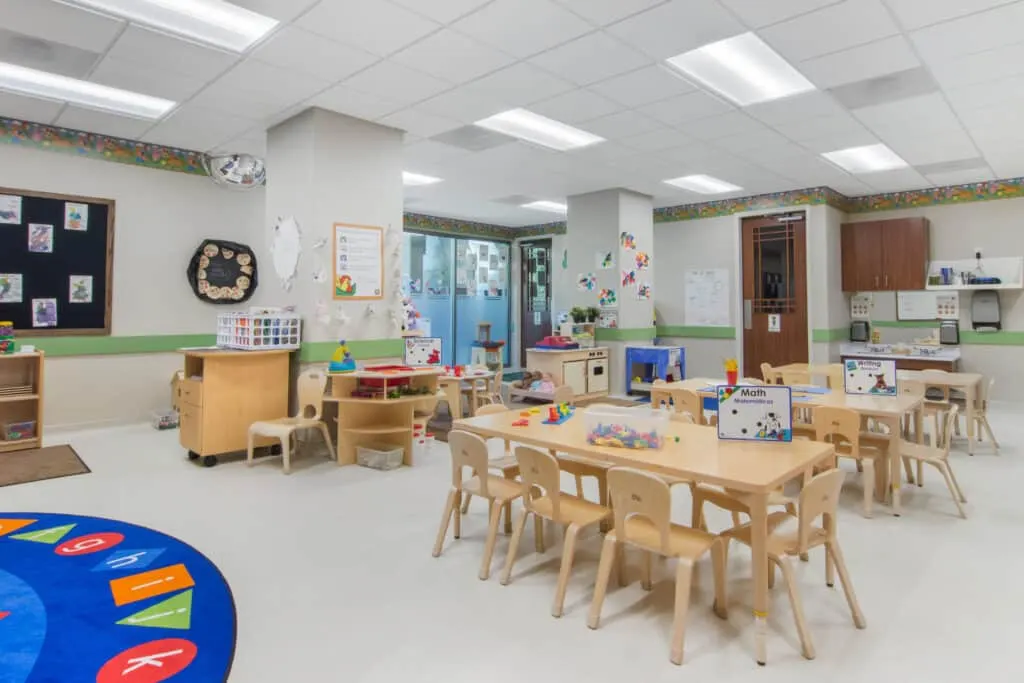
The early years of a child’s life are critical for their development, and the environment in which they grow and learn plays a vital role. Well-designed children’s furniture has a significant impact on their physical, cognitive, and emotional growth.
- Physical Development: Properly designed furniture supports children’s physical development. Ergonomic chairs and desks promote good posture and comfort during activities. Age-appropriate seating options, such as stools or floor cushions, help develop core strength and motor skills. Active play equipment, like climbing structures or balance beams, enhance gross motor development.
- Cognitive Skills: Thoughtfully designed furniture fosters cognitive development. Learning stations and activity centers provide opportunities for exploration and problem-solving. Manipulative elements, such as puzzles or building blocks, improve fine motor skills and hand-eye coordination. Accessible storage solutions encourage organization and cognitive abilities.
- Social Interaction: Well-designed furniture facilitates social interaction among children. Collaborative seating arrangements, like group tables or reading nooks, promote communication and teamwork. Shared play areas encourage social engagement and cooperation. Furniture layouts that encourage face-to-face interaction support peer-to-peer learning.
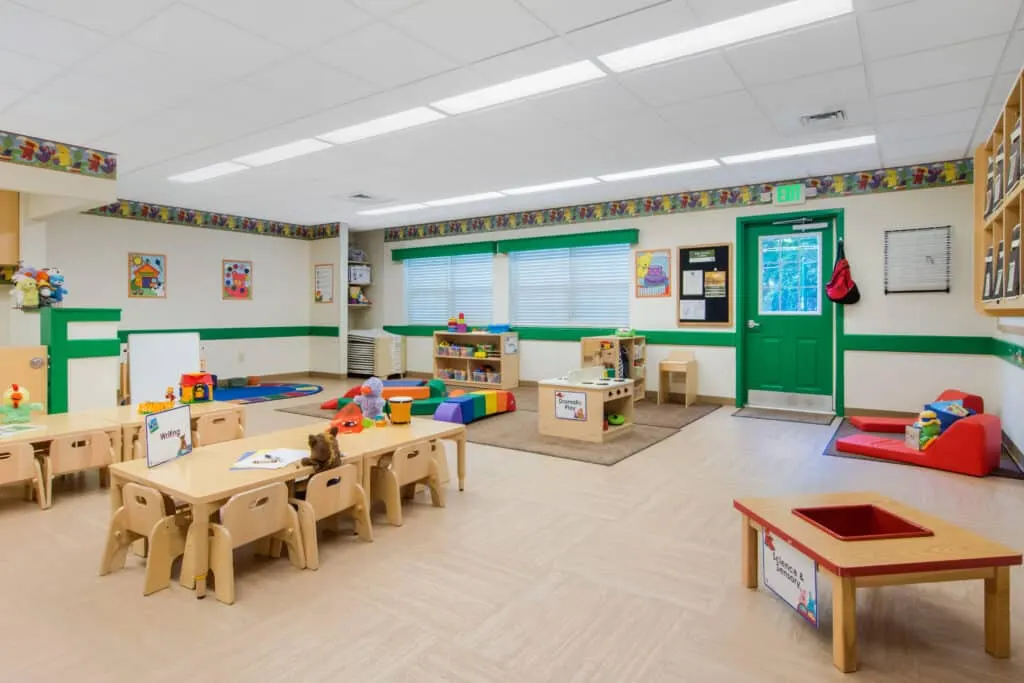
- Emotional Well-being: Comfortable and cozy furniture contributes to children’s emotional well-being. Soft seating areas provide relaxation and a sense of security. Sensory elements, like textured fabrics or calming colors, create a soothing environment. Personalized spaces, such as cubbies or name-tagged chairs, allow children to express their individuality and foster a sense of belonging.
- Independence and Autonomy: Child-sized furniture empowers children to engage in self-directed activities and develop a sense of independence. Step stools or adjustable-height desks encourage active participation. Storage solutions with accessible compartments promote organizational skills and a sense of responsibility.
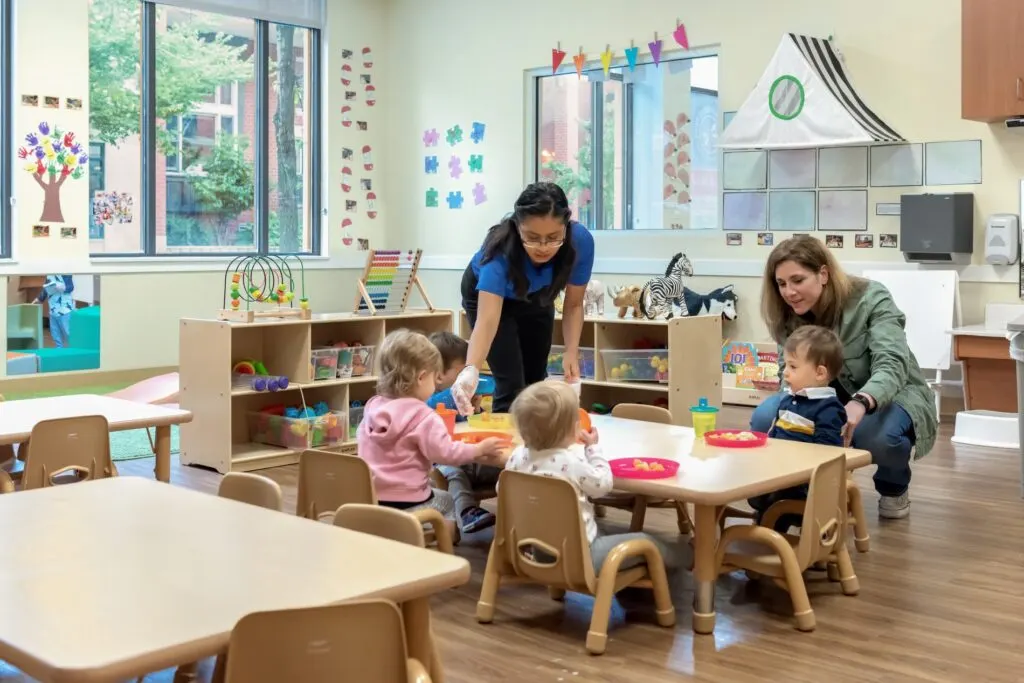
Well-designed children’s furniture plays a vital role in early childhood development. By providing furniture that supports physical development, fosters cognitive skills, enhances social interaction, cultivates emotional well-being, and promotes independence, parents, educators, and caregivers create environments that optimize children’s growth and learning experiences. Investing in high-quality and thoughtfully designed furniture is an investment in the future of our children, nurturing their development and laying the foundation for a bright and successful future.
Share this article:The Author >>Kid Montessori editorial teamCategoriesRecent Posts
Wooden Preschool Furniture Care Guide For Busy Classrooms
How to Childproof a Daycare Classroom: A Practical Safety Checklist
Daycare Cribs Buying Guide: How to Choose Safe, Practical Sleep Furniture
Object Permanence: What Babies Learn and How Montessori Activities Support It
Effective Preschool Classroom Rules: How to Create a Safe and Orderly Learning Environment
How to Start a Daycare: A Practical Planning Guide
Kid Montessori editorial teamIf you need a purchase or consultation, please contact us for a free product catalog and classroom layout design.
CONTACT ME NOW