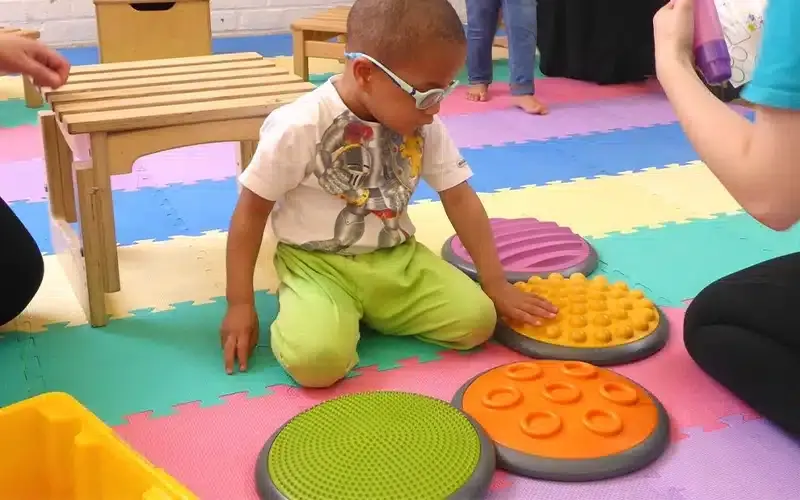
Sensory Toys Organised by Sense and Purpose
Children learn through touch, sight, sound and movement long before they learn through words. Sensory toys give those channels something to work with, and they help children who are over- or under-stimulated find a calmer state.
We organise the range by function, so educators, therapists and parents can find the right resource quickly. Items are made from child-safe materials and sized for small hands, and they pair well with Kid Montessori low shelves and baskets.
Categories by sense
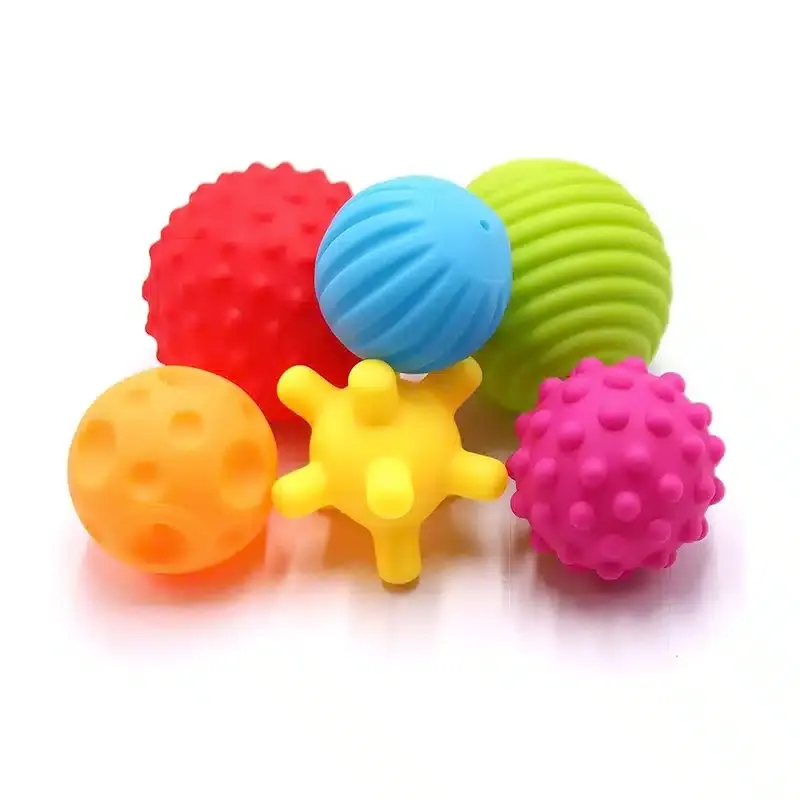
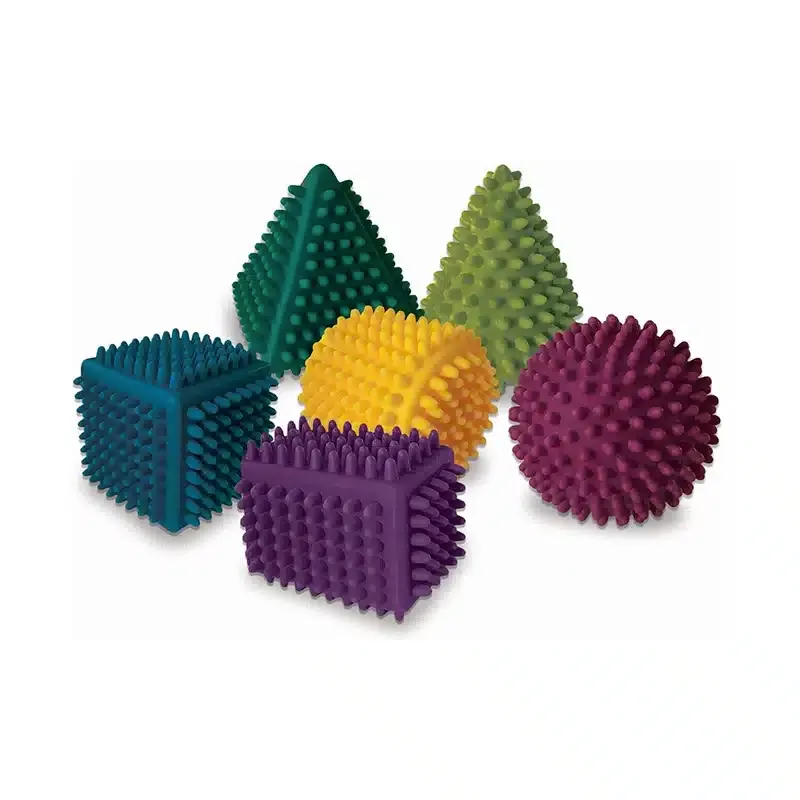
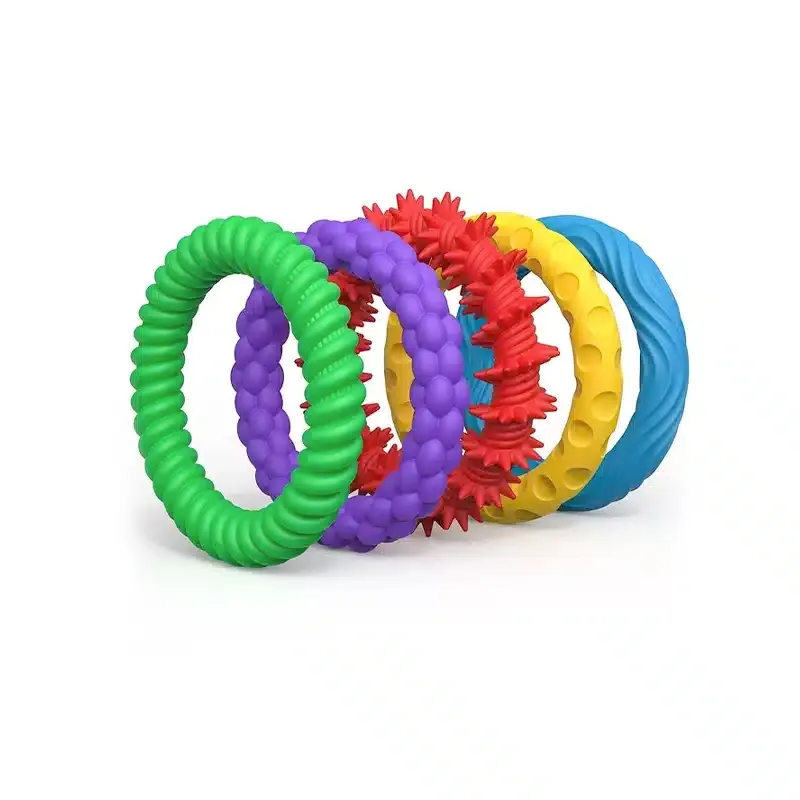
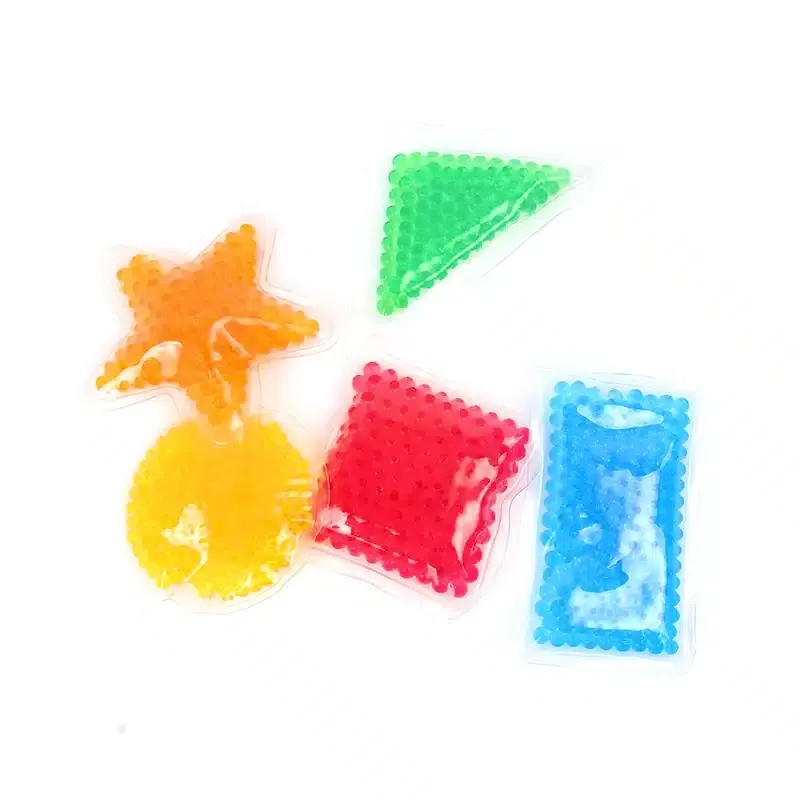
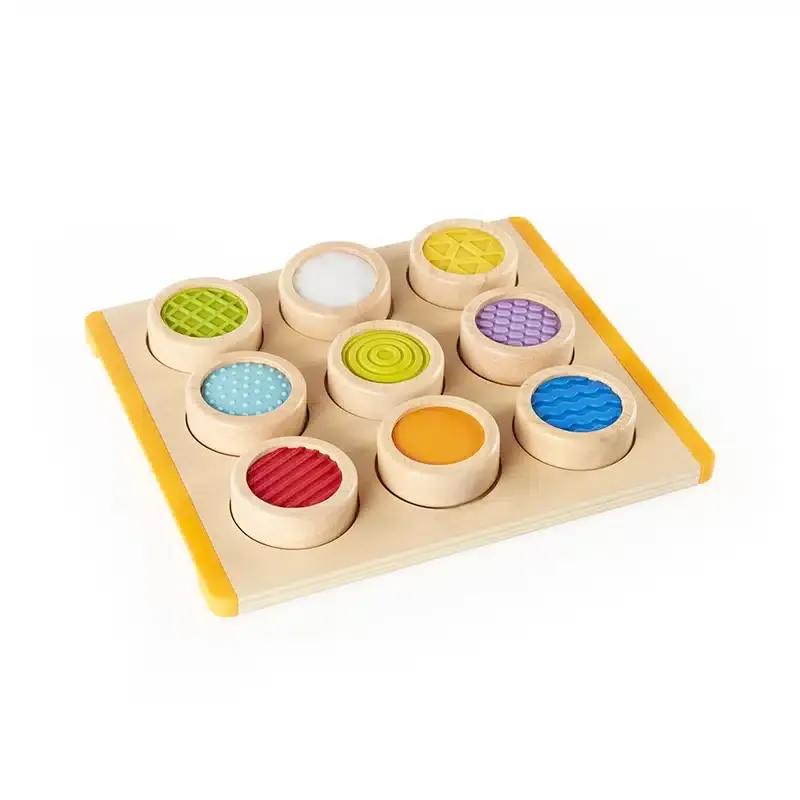
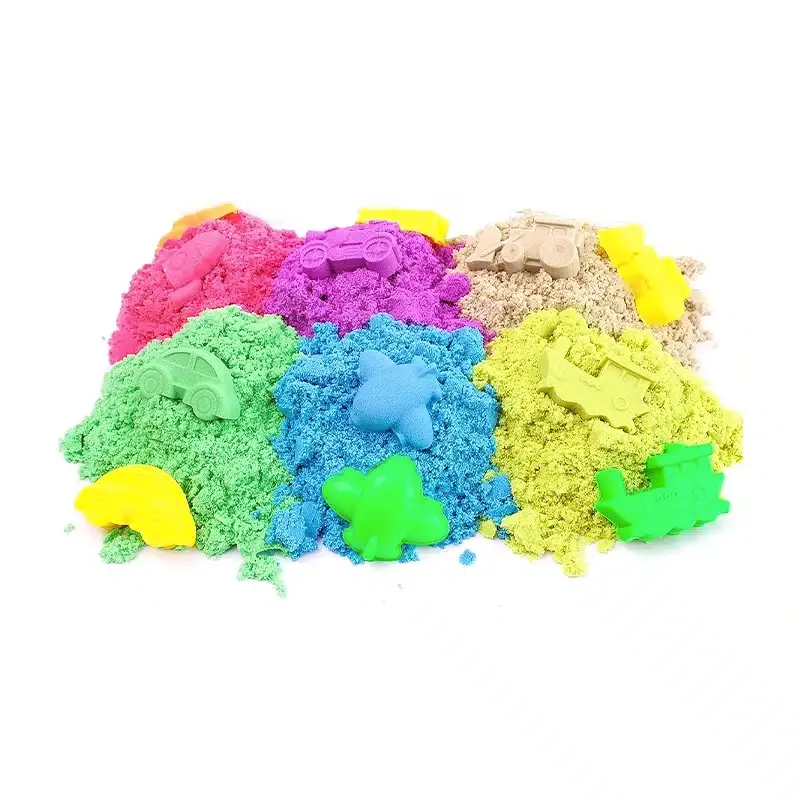
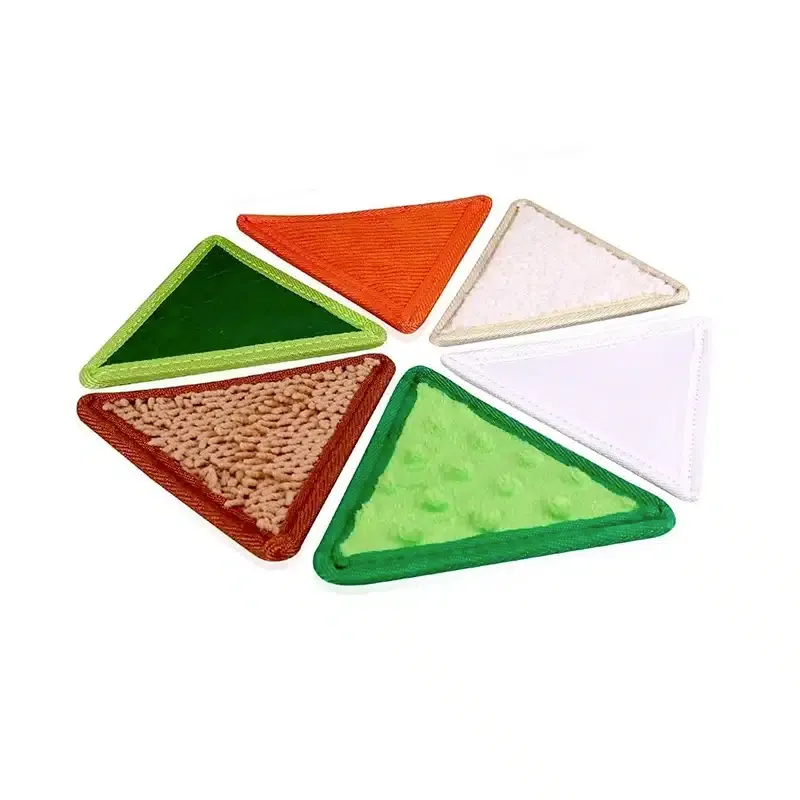
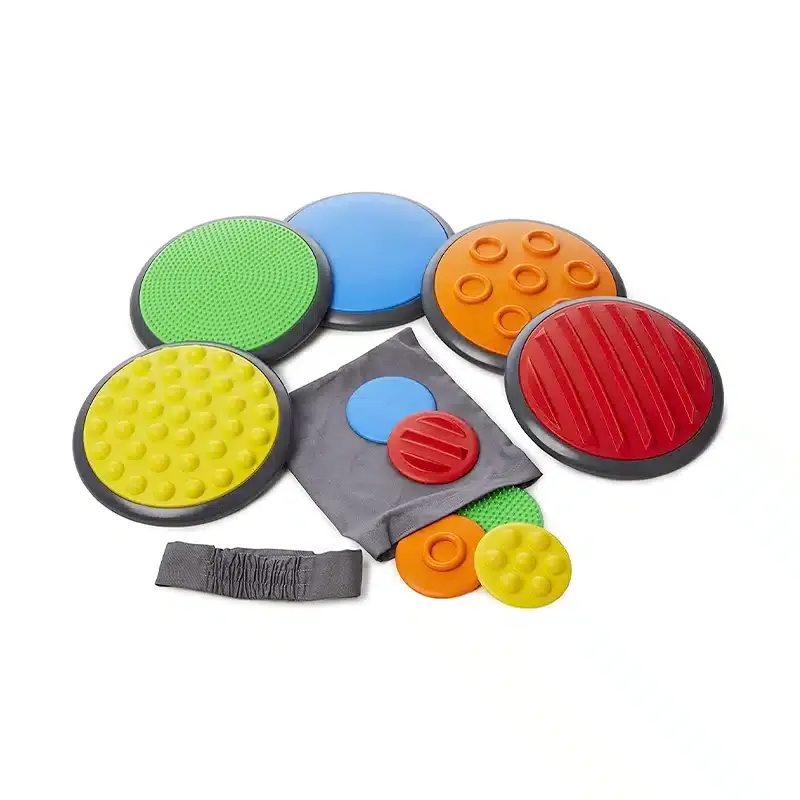
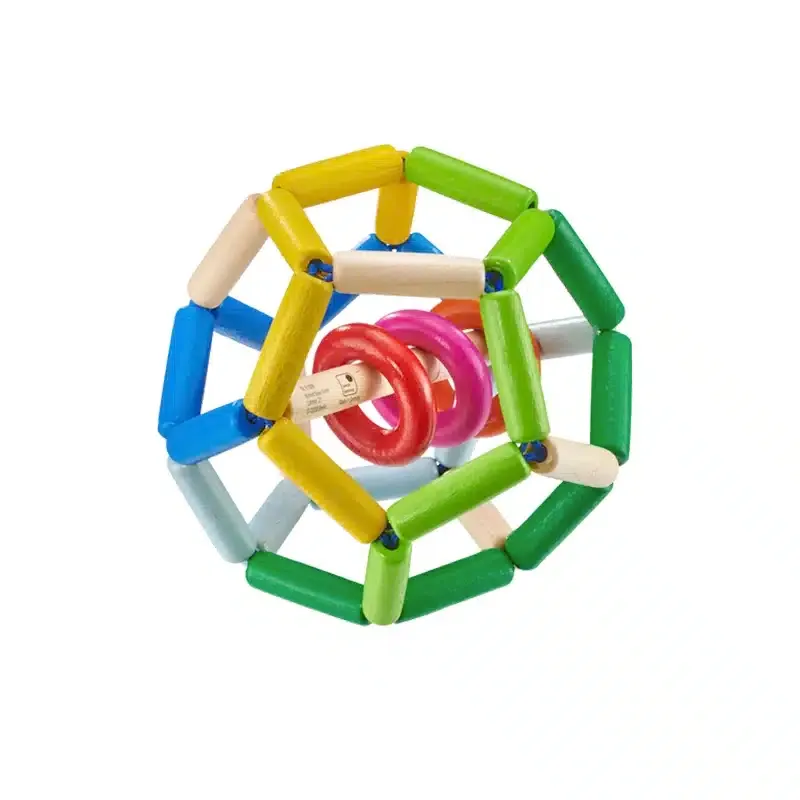
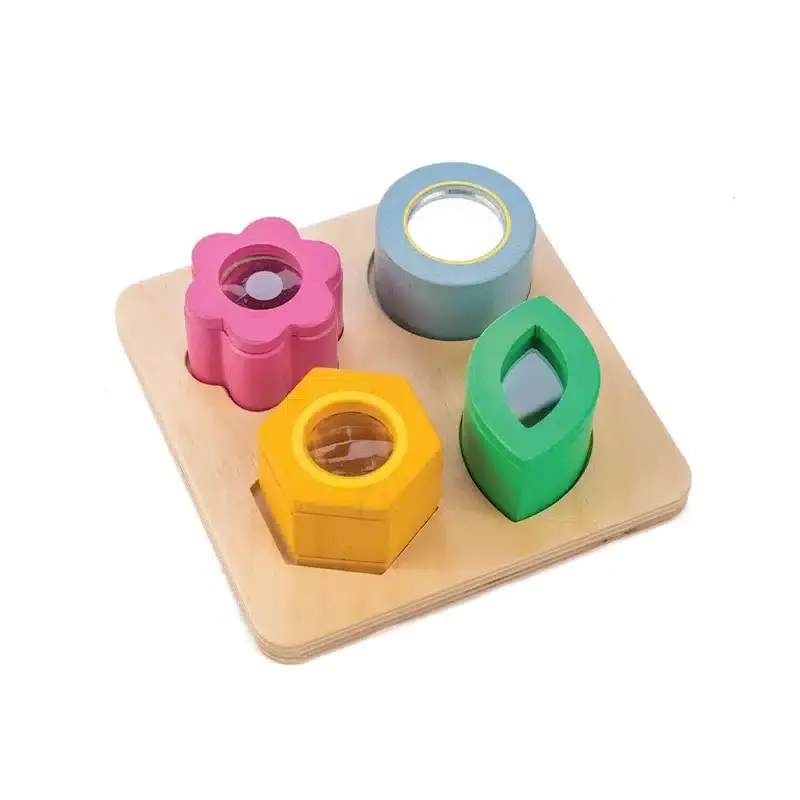
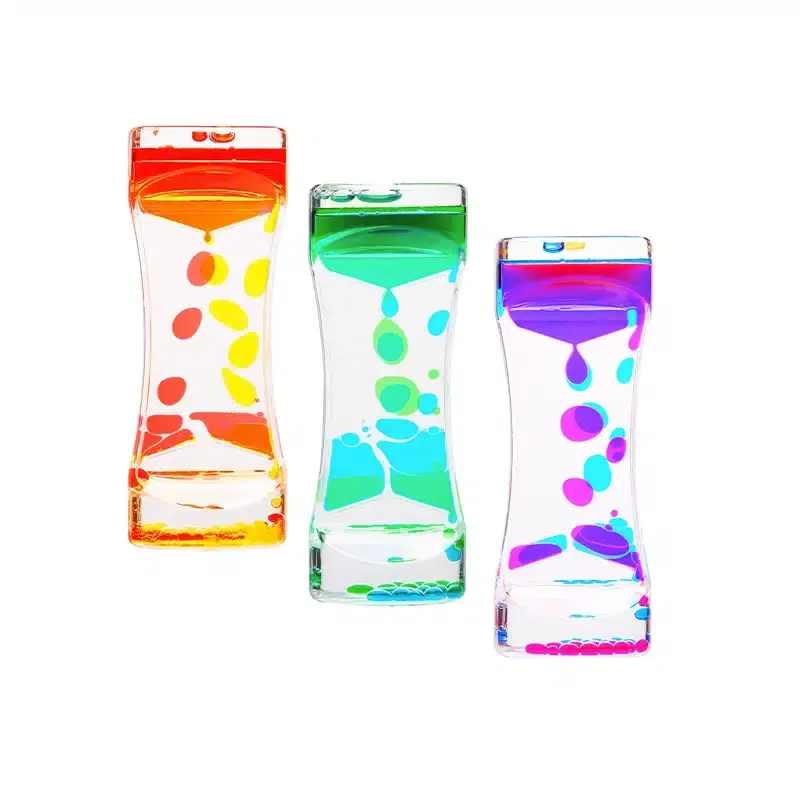
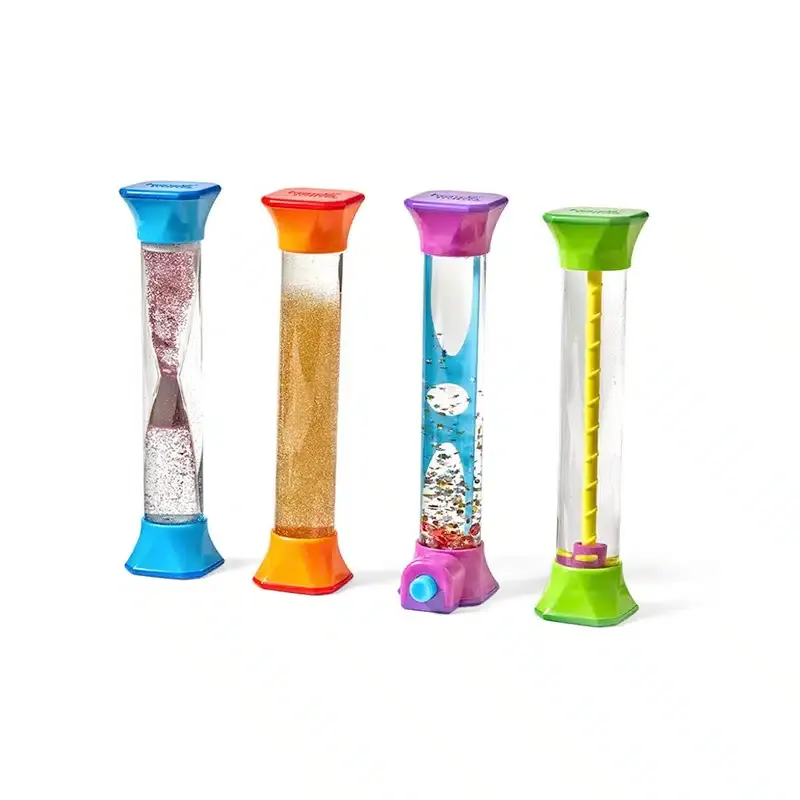
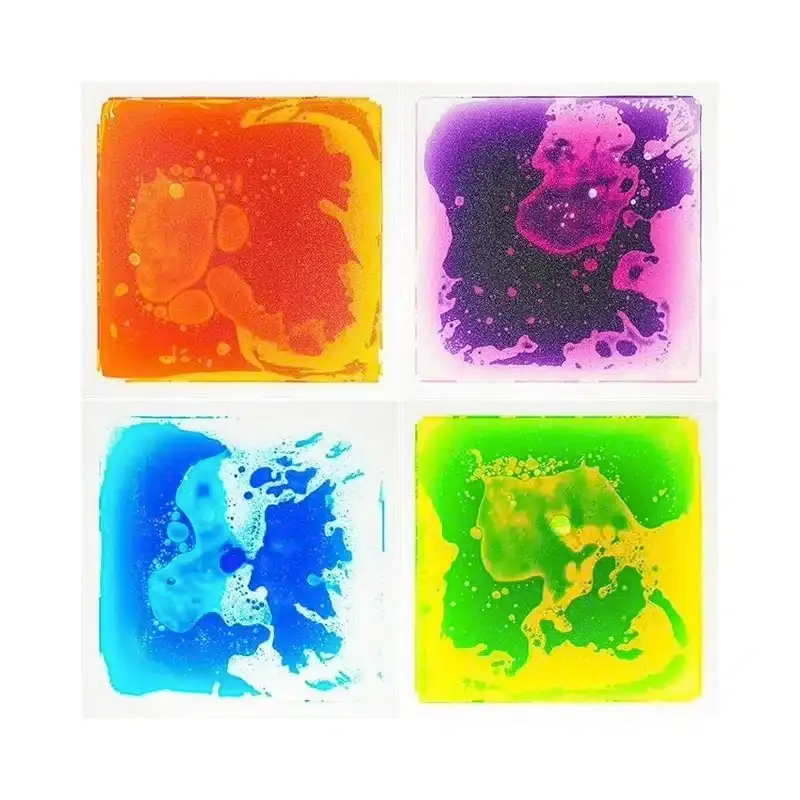
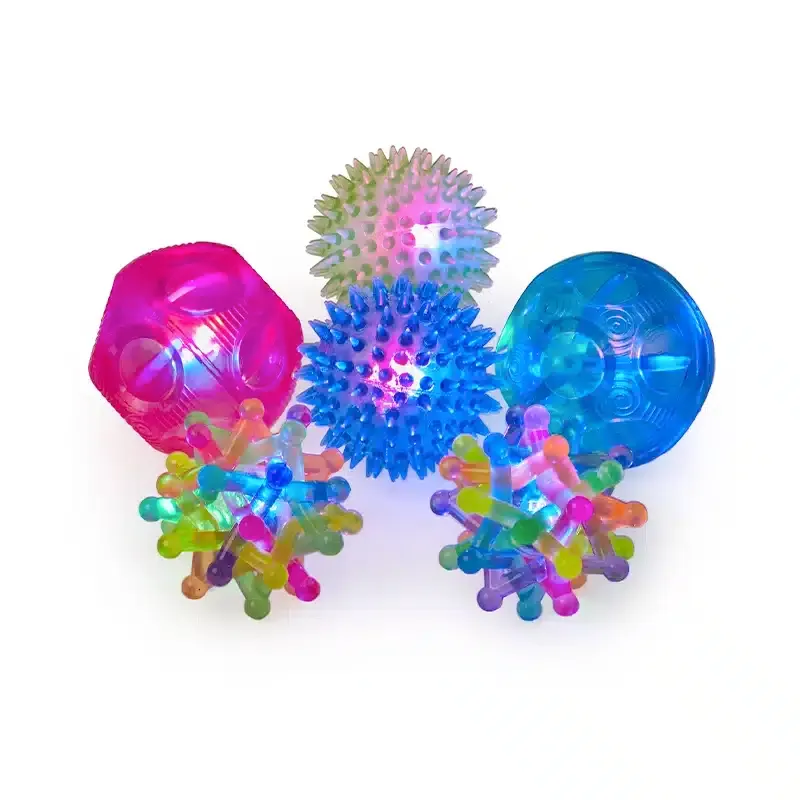
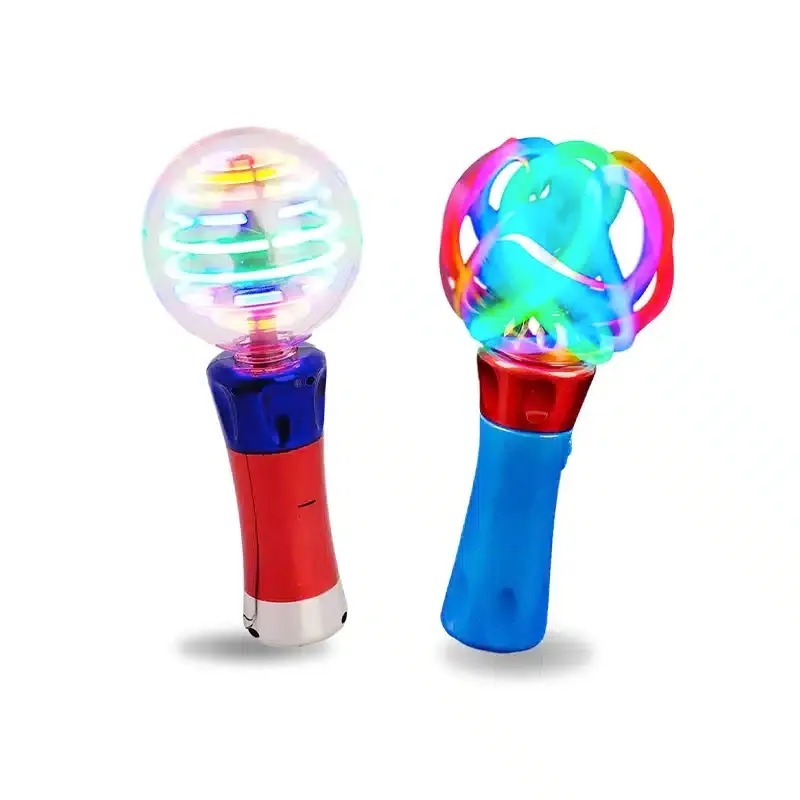
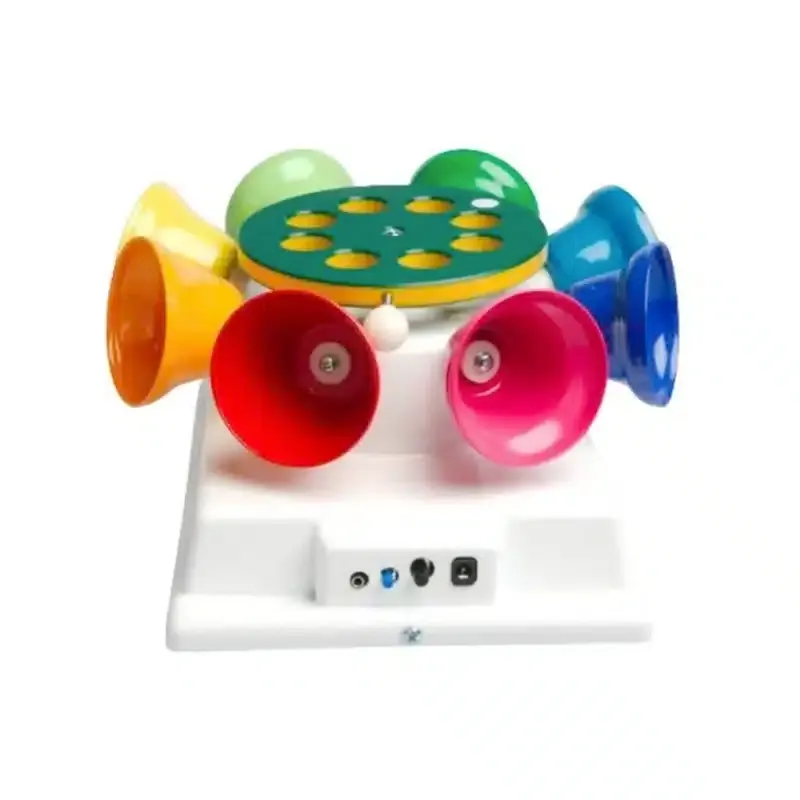
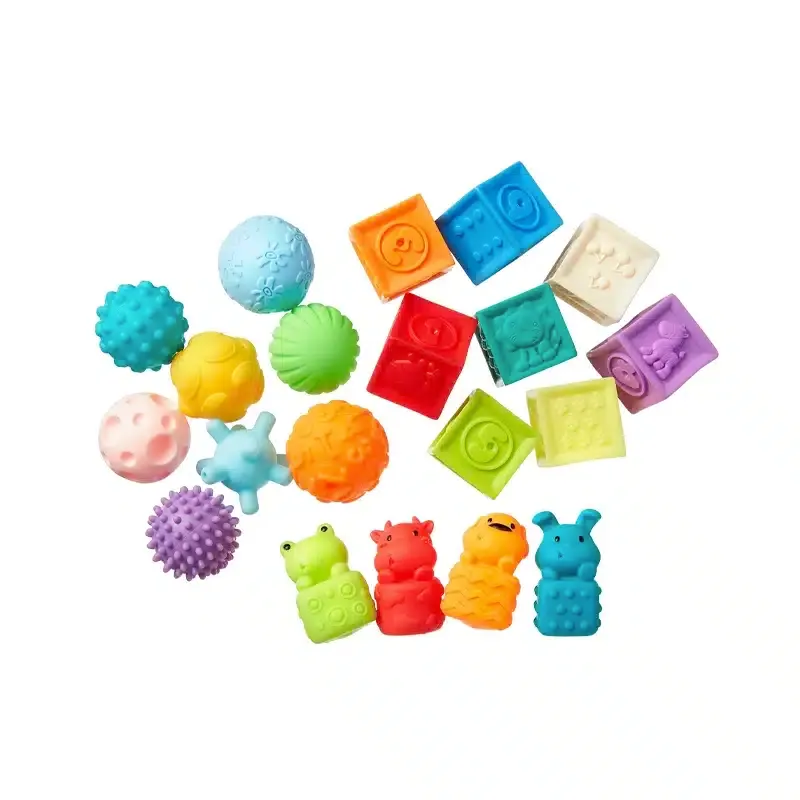
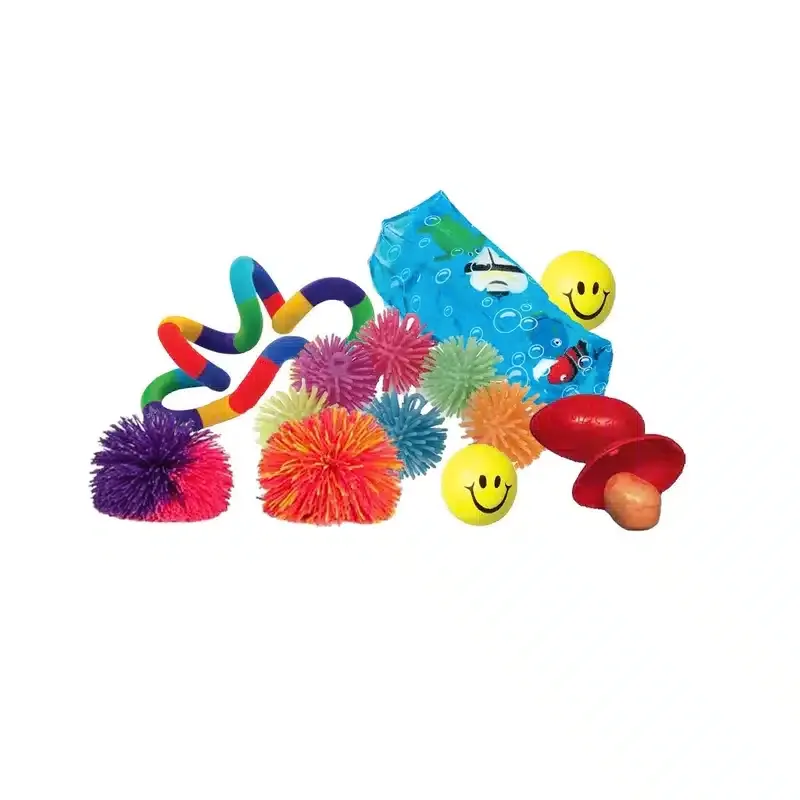
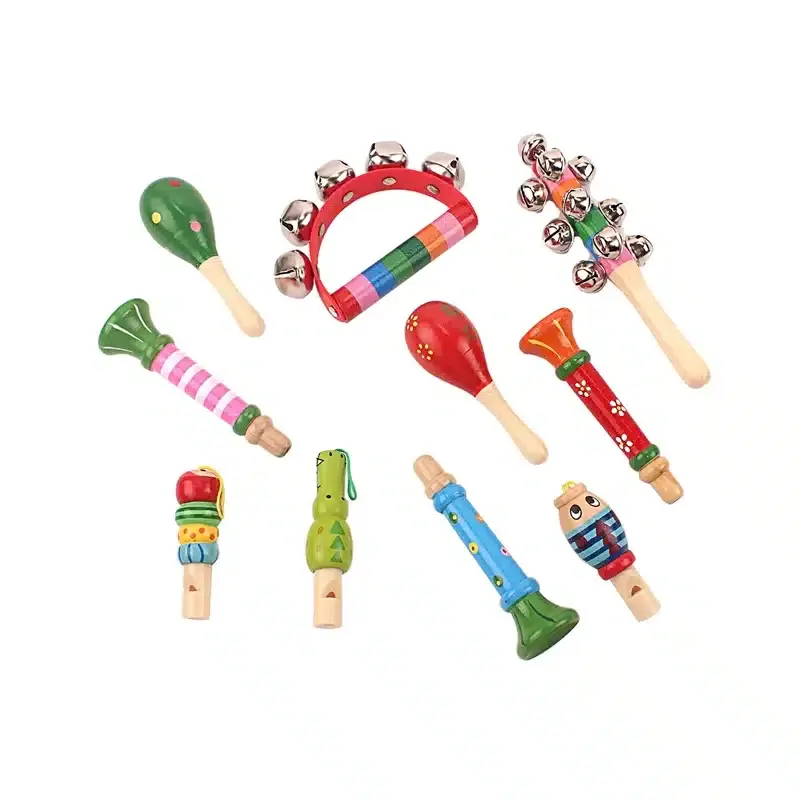
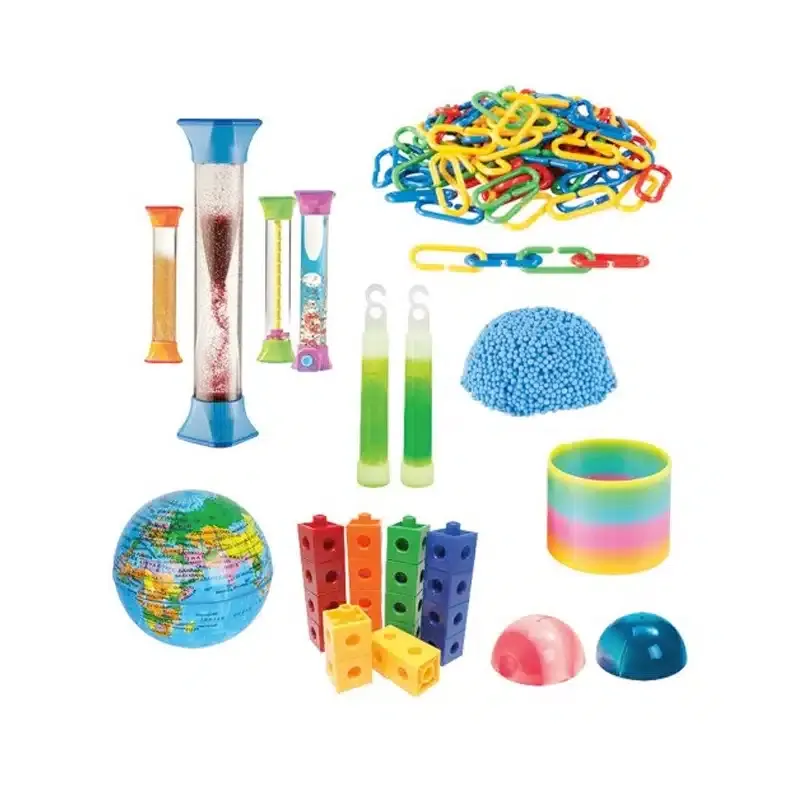
Tactile: baby ball sets, textured shapes, fidget sets, play sand and tactile discs for touch and fine motor skills. Visual: light panels, bubblers, fidget tubes and light-up ball sets that support tracking and discrimination. Auditory: rainmakers, sound tubes, beaded raindrop sticks and chime instruments for listening and rhythm.
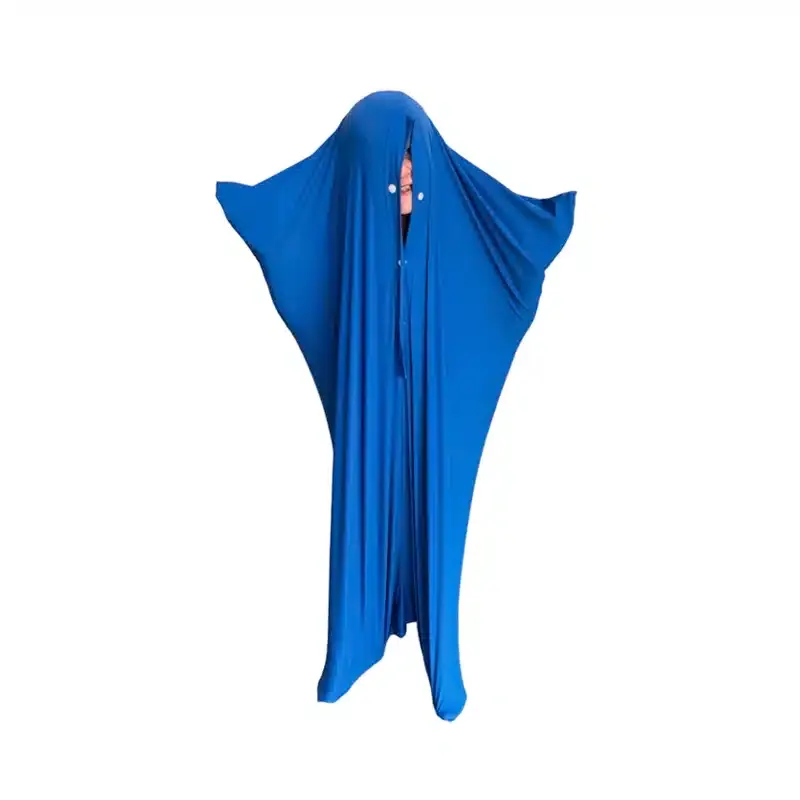
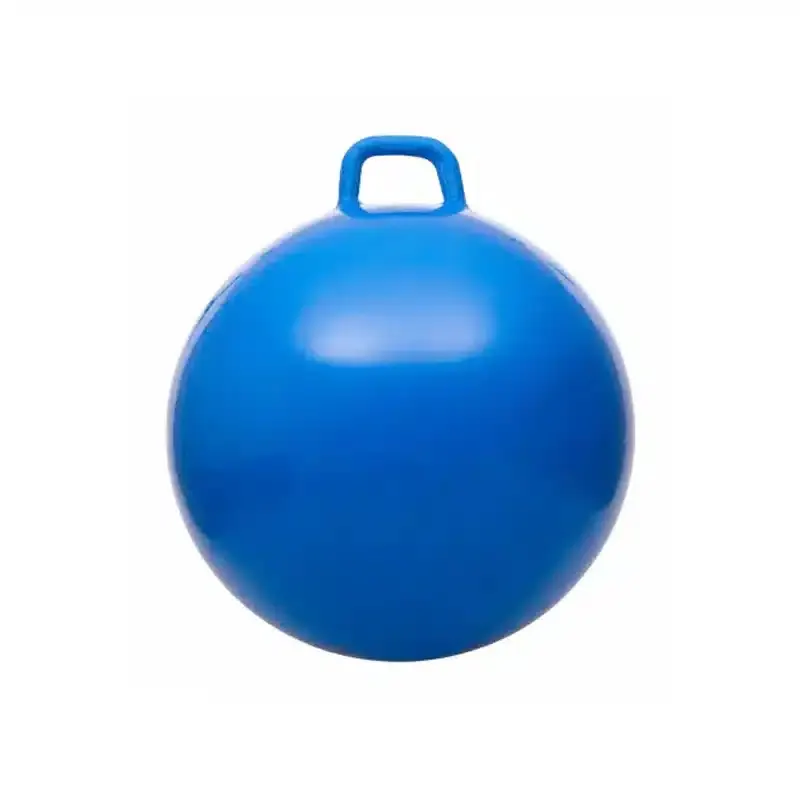
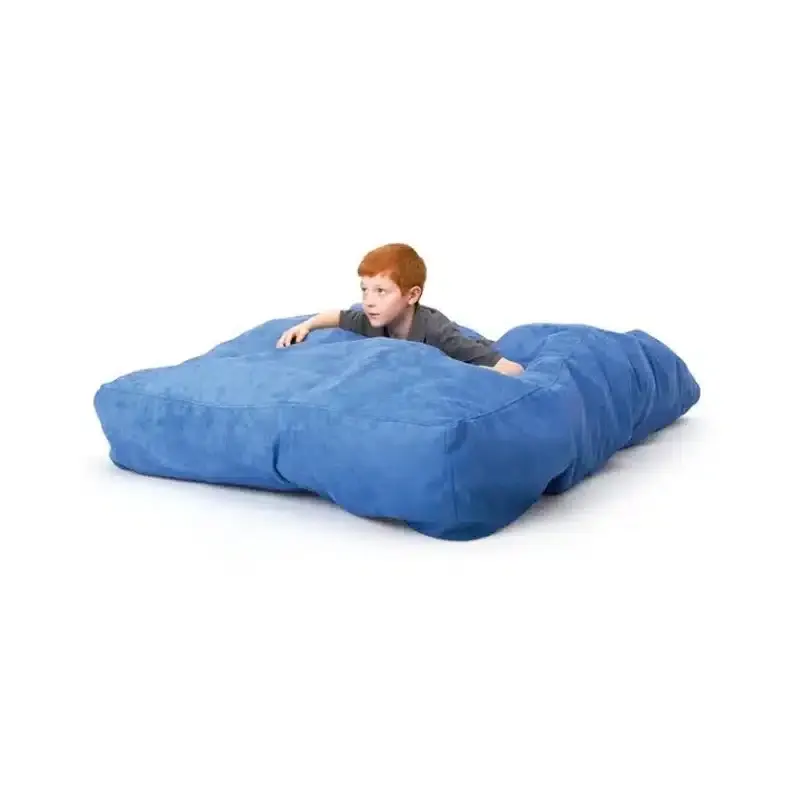
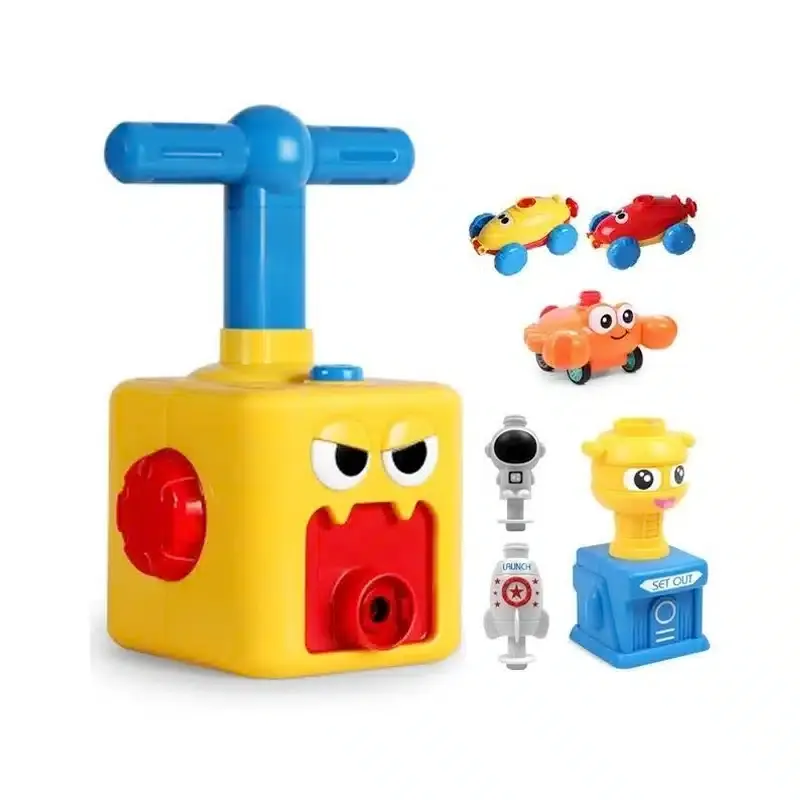
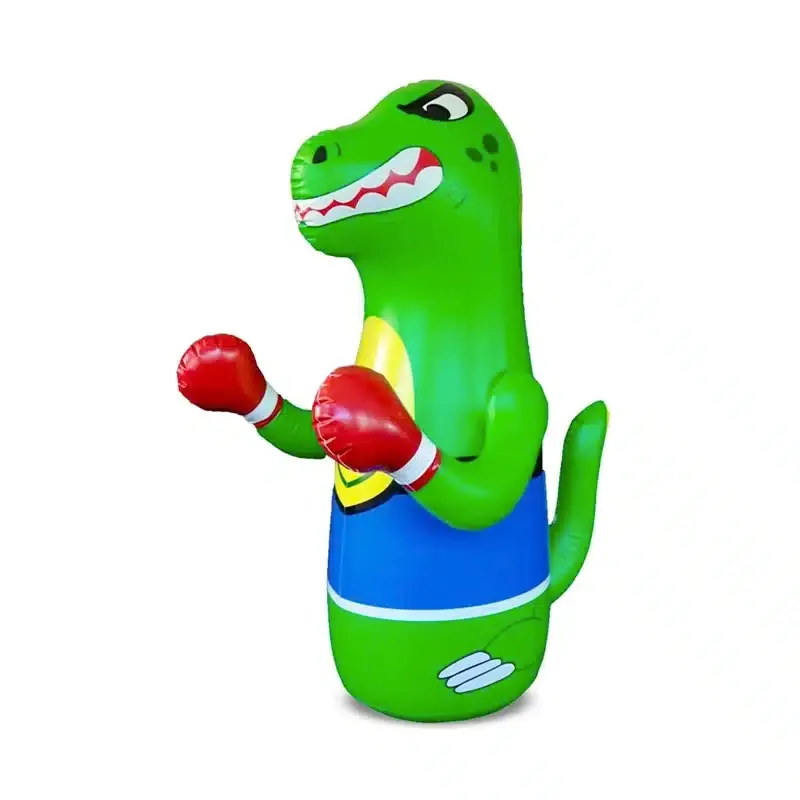
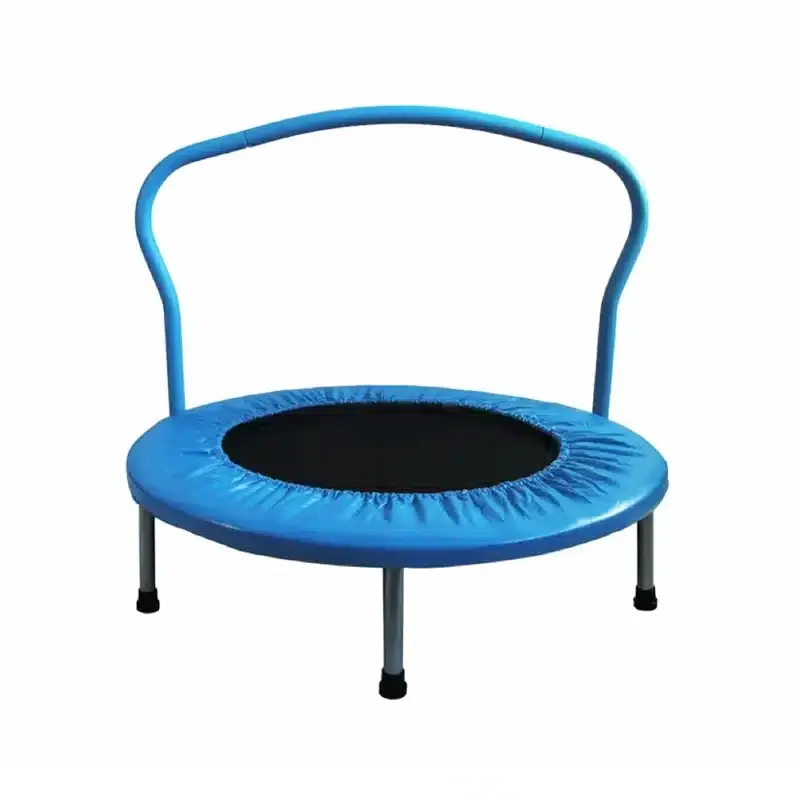
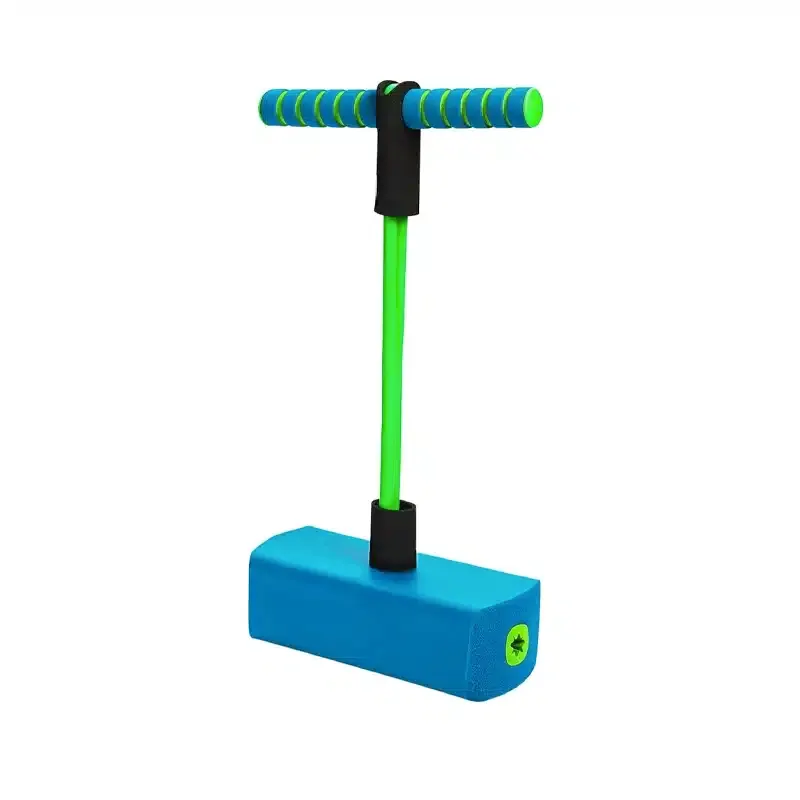
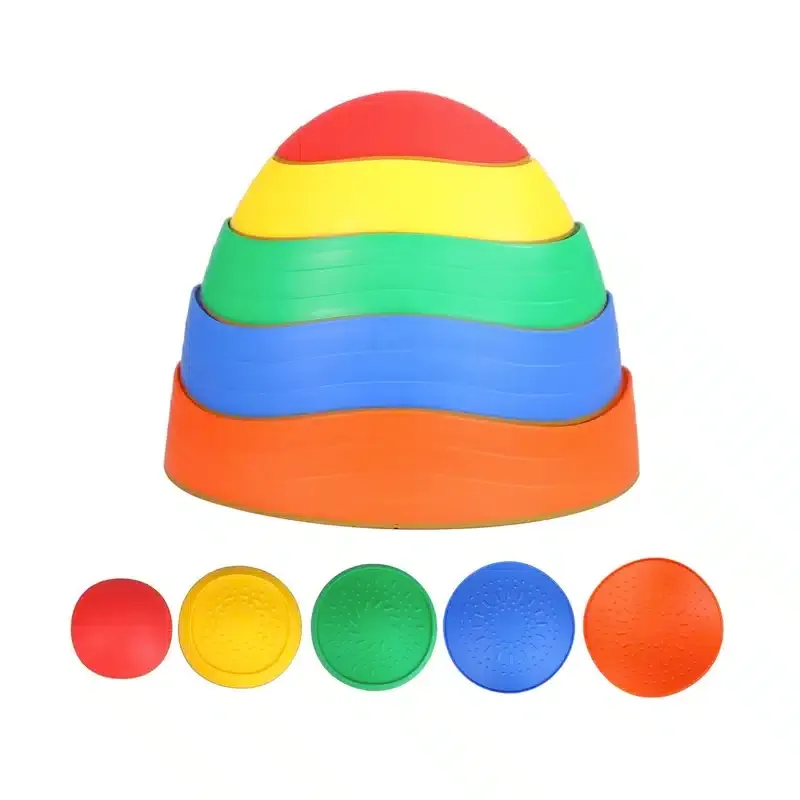
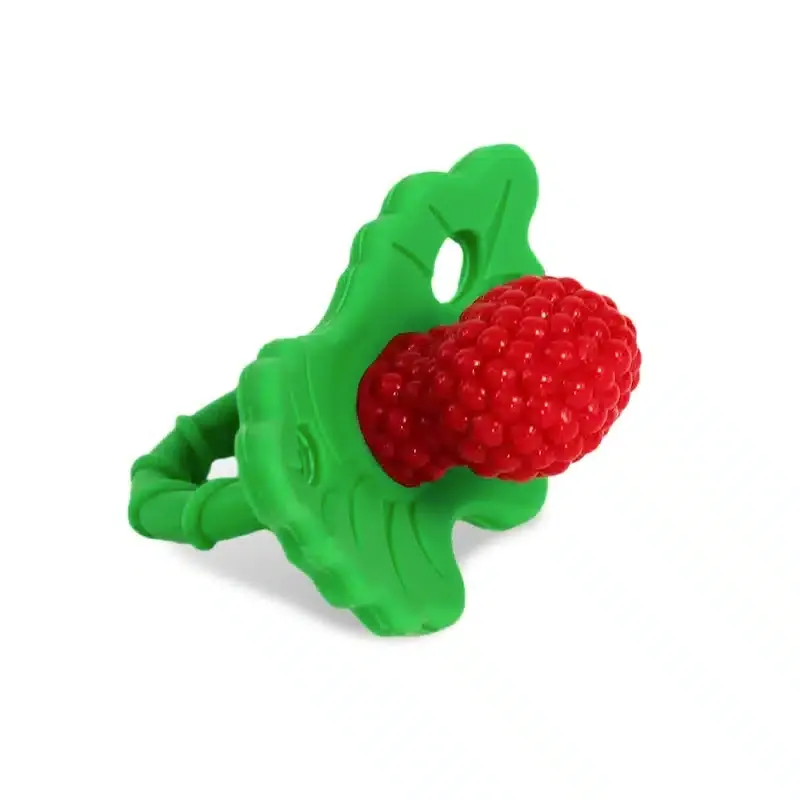
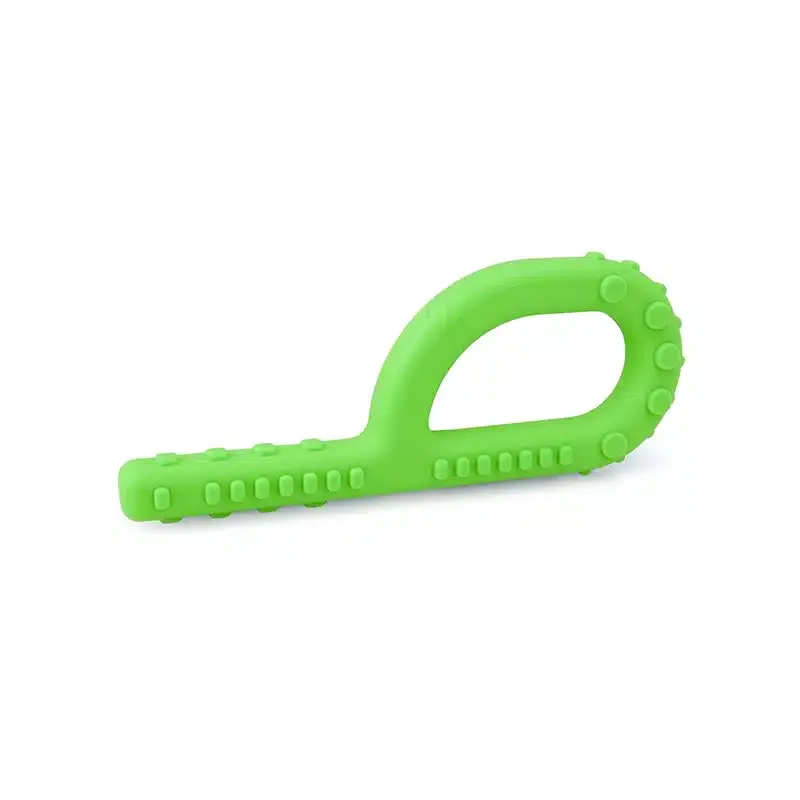
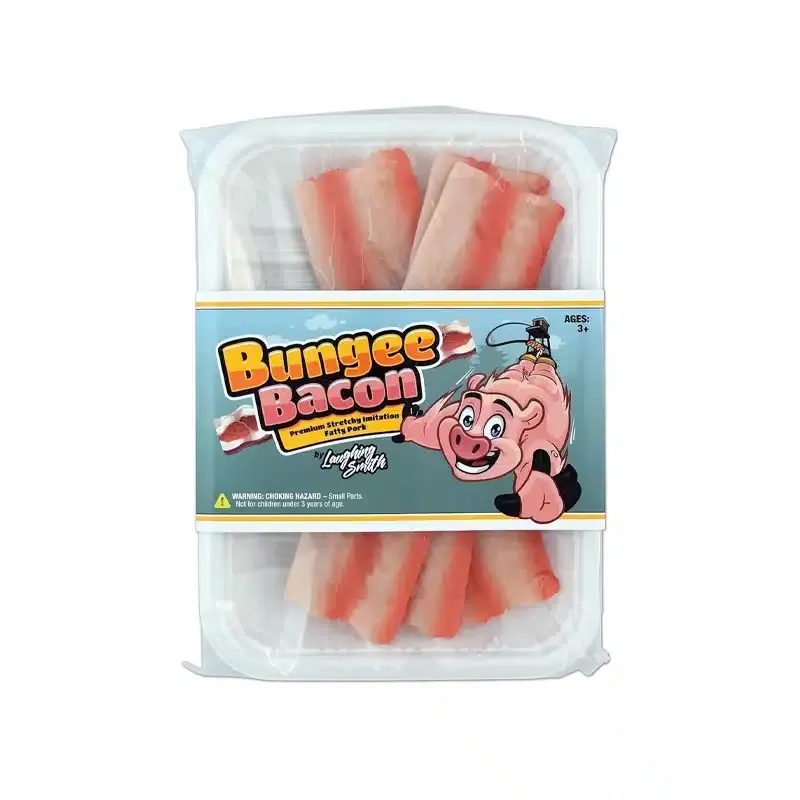
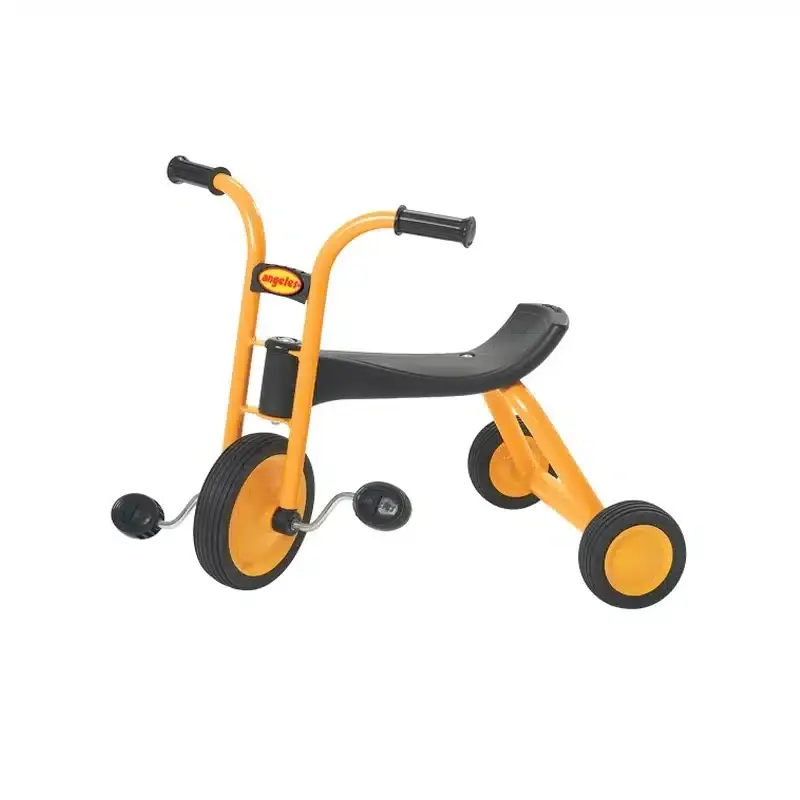
Proprioceptive and movement: body socks, hopper balls, crash pads, trampolines, pogo jumpers and stepping stones give deep pressure and balance practice. There are also olfactory and oral sensory items.
Using them well in a classroom
- Calm corner: a few visual and tactile items on a low shelf for children who need a pause.
- Movement breaks: crash pads and jumpers where energy can be spent safely.
- Focus support: fidgets and chew-safe manipulatives for concentration.
- Therapy rooms: sorted trays by sense so sessions run smoothly.
Introduce a small set first and watch which items children return to, then add more.
Safety and specification
Choose items that are suited to the age of your children, with no small parts for infants and no sharp edges. Check that materials are child-safe and that surfaces can be wiped clean between users. Weighted items should match a child's size. We can discuss materials and testing documentation for your market on request.
Send us the ages and room type and we will suggest a balanced starter set.
Storing and rotating the collection
Sensory items work best when they are chosen, not dumped. Keep them in labelled baskets or trays on a low shelf, grouped by sense, so a child or therapist can pick one in a few seconds. Rotate a few items at a time, since novelty draws attention back to materials that have been ignored.
After use, wipe or wash the items according to their material, and check for wear on fabric covers and seams. A dedicated sensory shelf, with a mat or small table beside it, gives children a place to use the material without interrupting the rest of the room.
Sensory Toys: Multi-Sensory Learning Tools for Early Development
Tactile Sensory Toys
Visual Sensory Toys
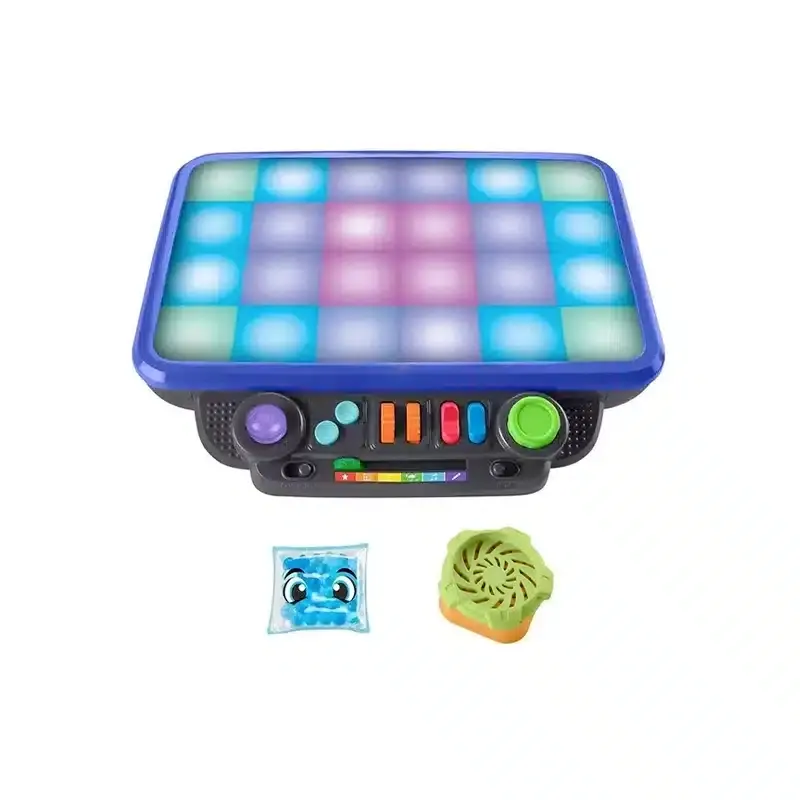
Auditory Sensory Toys
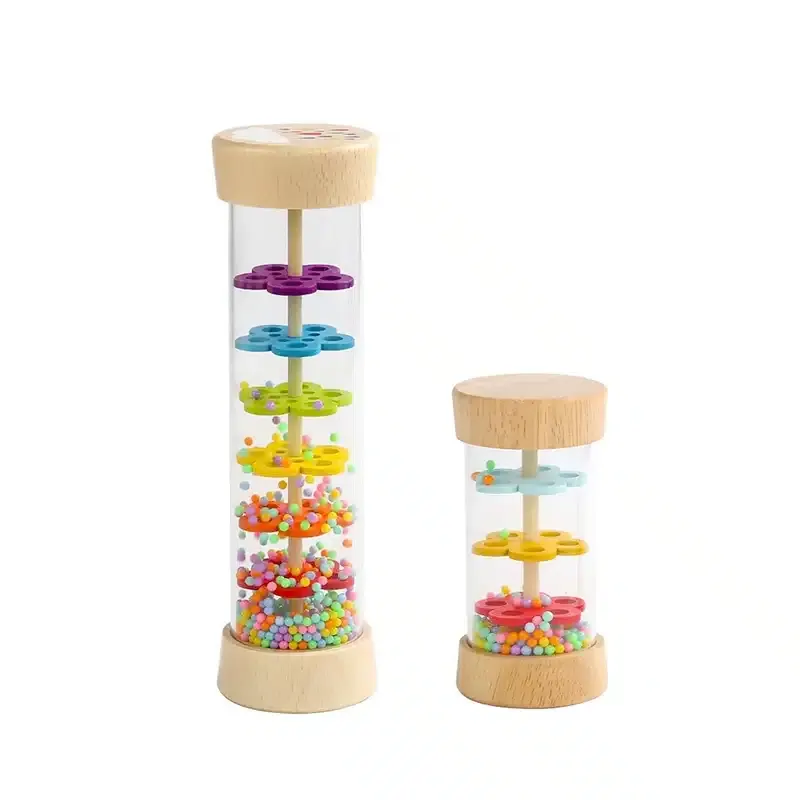
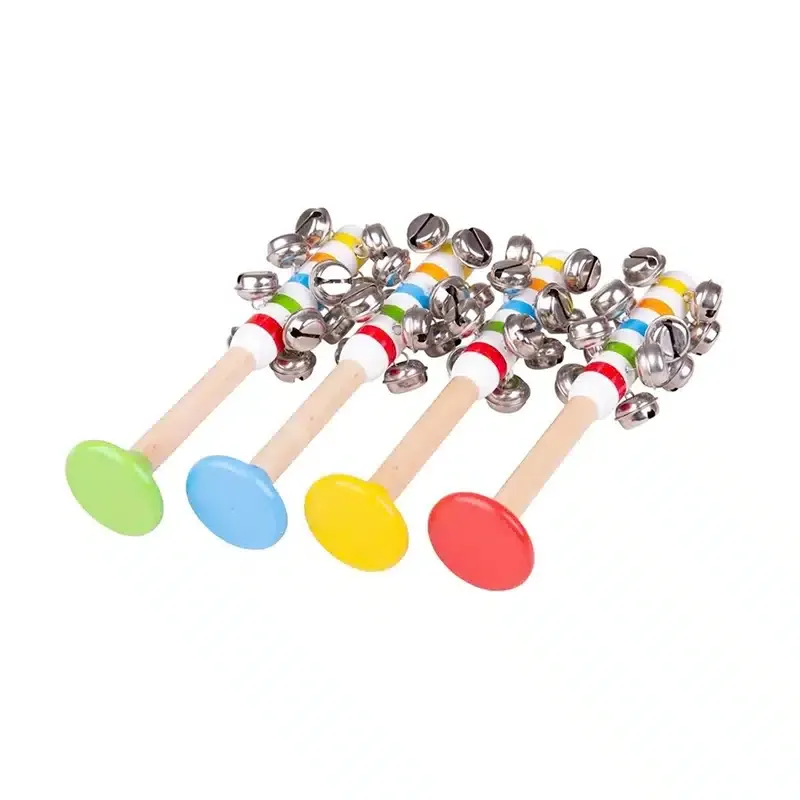
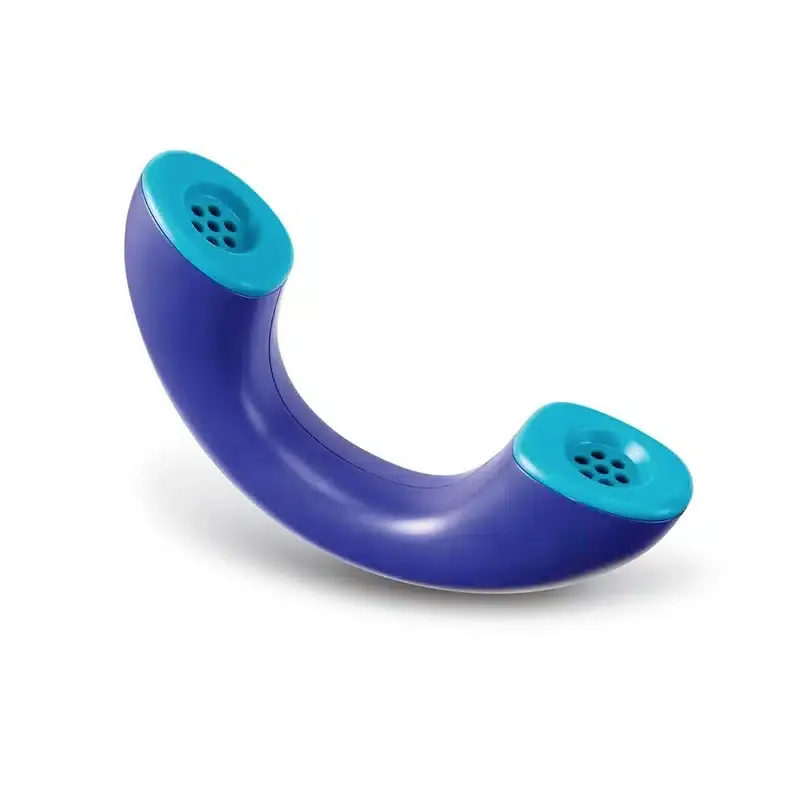
Proprioceptive and Movement Toys
Olfactory and Oral Sensory Toys
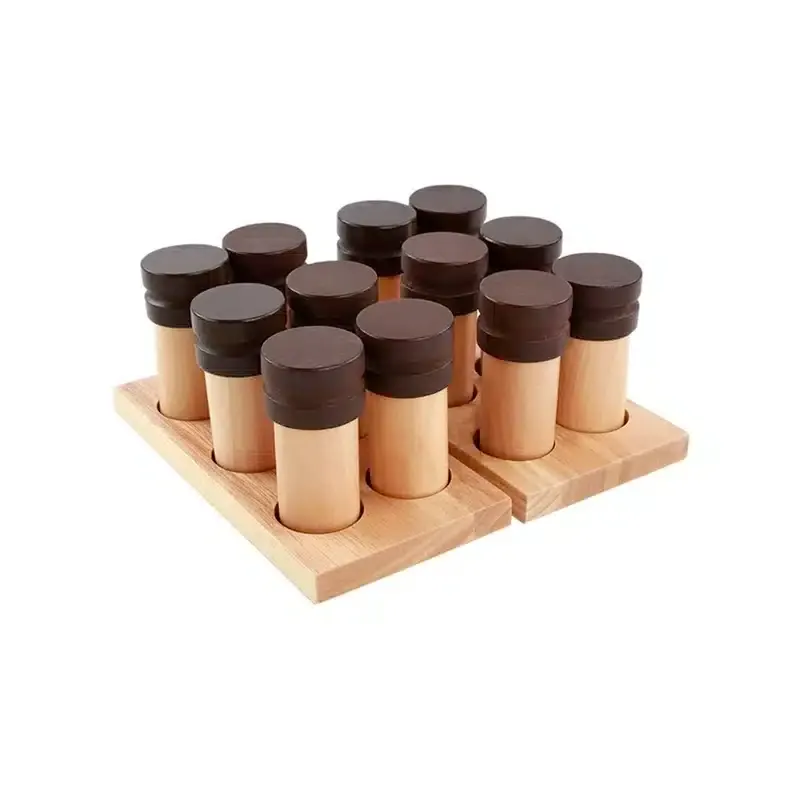
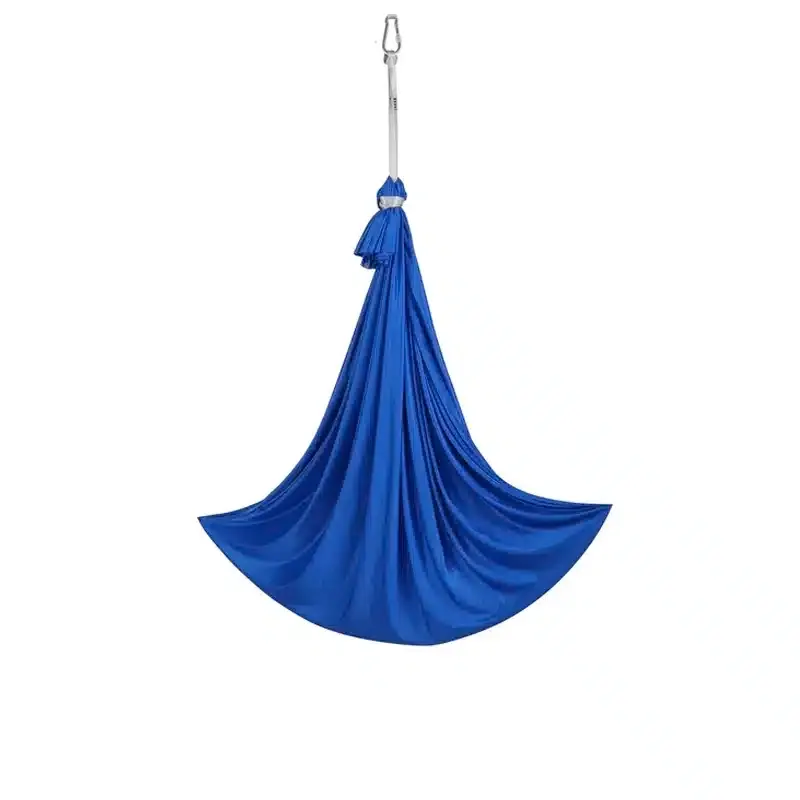
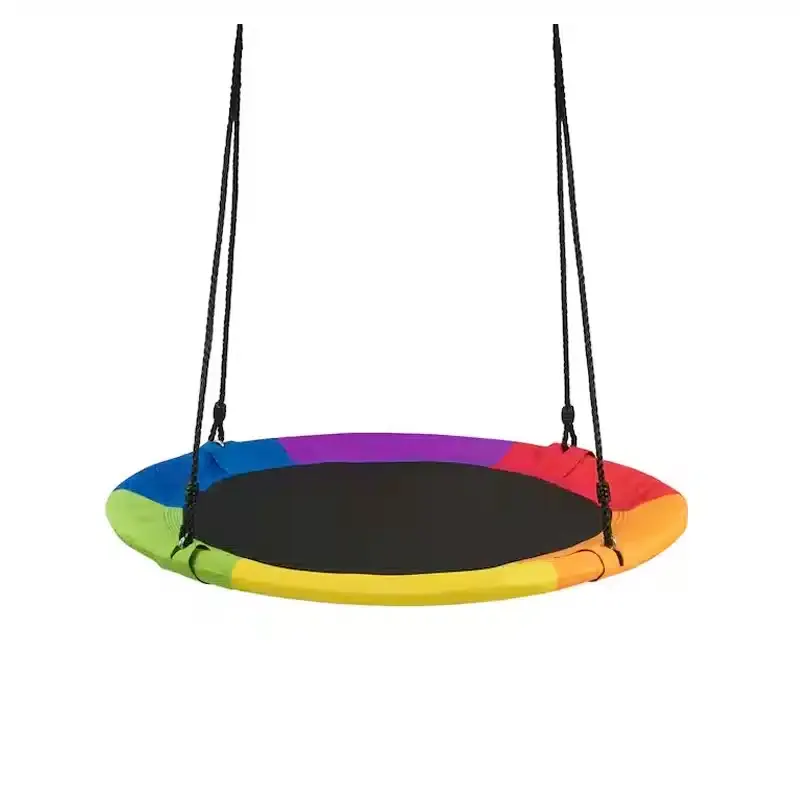
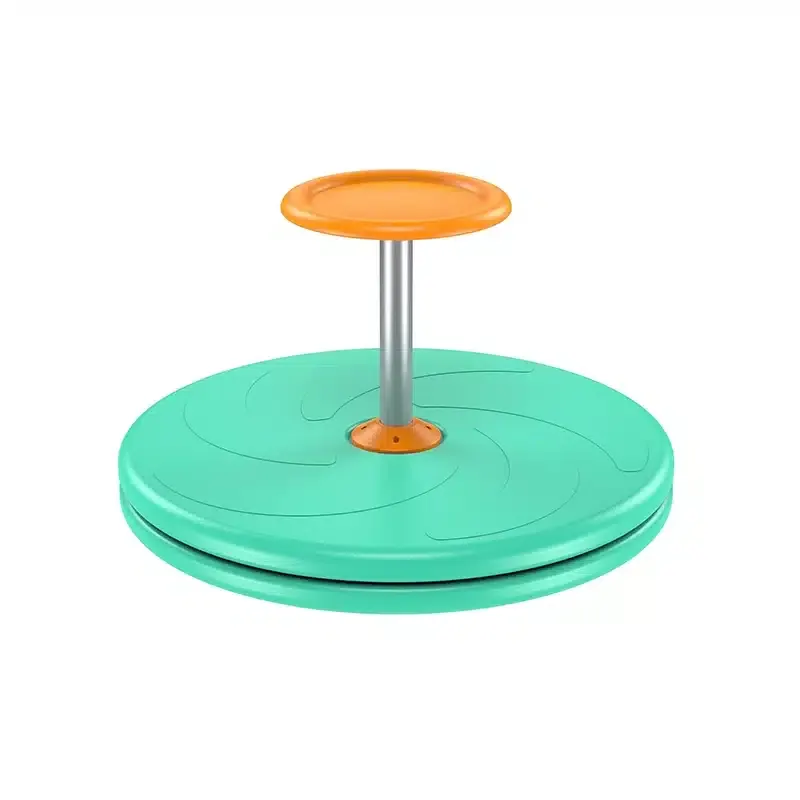
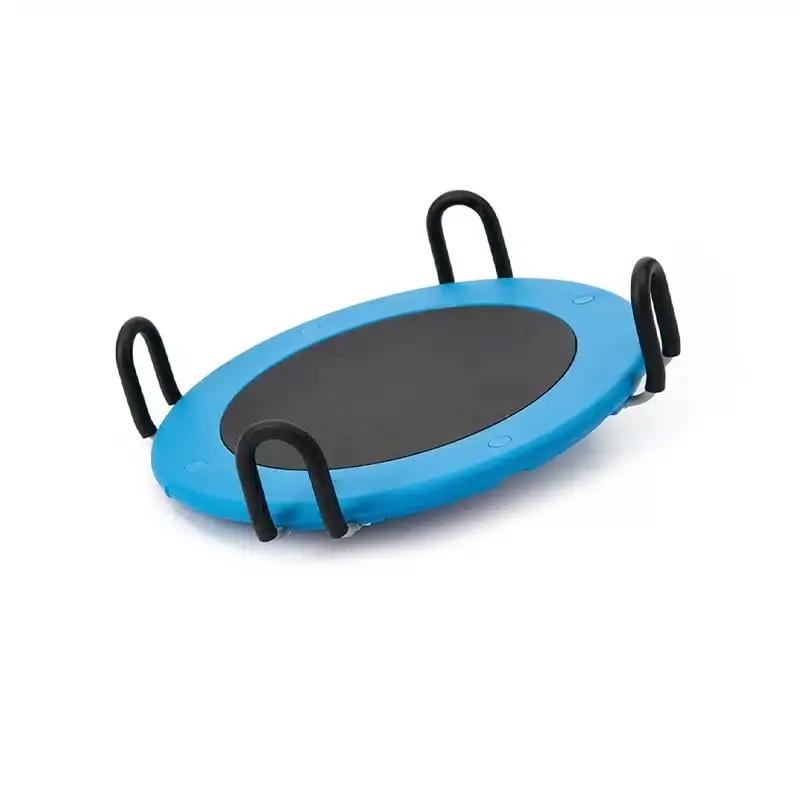
Vestibular & Balance Toys
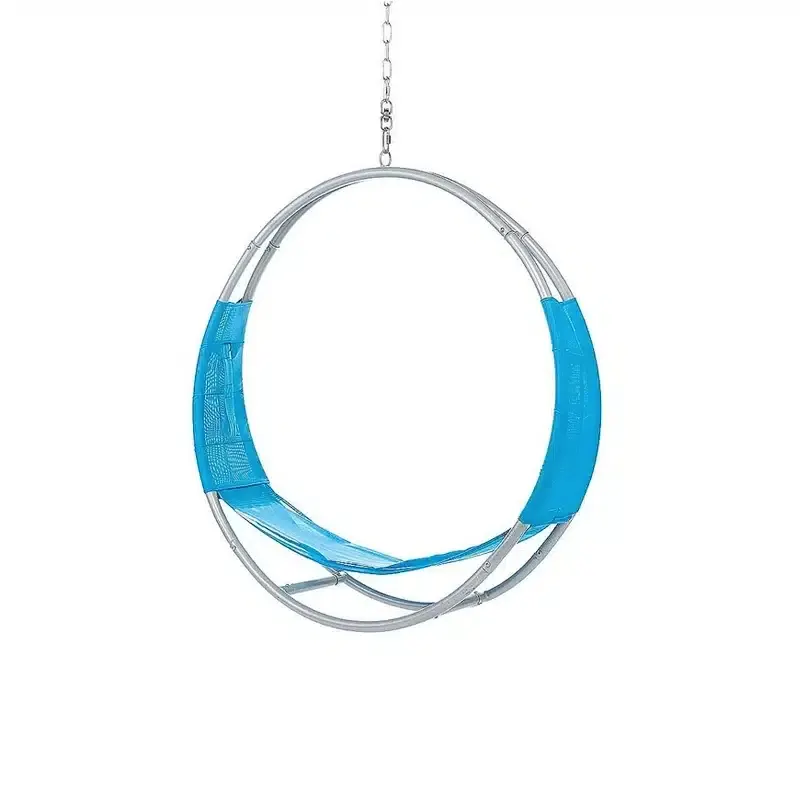
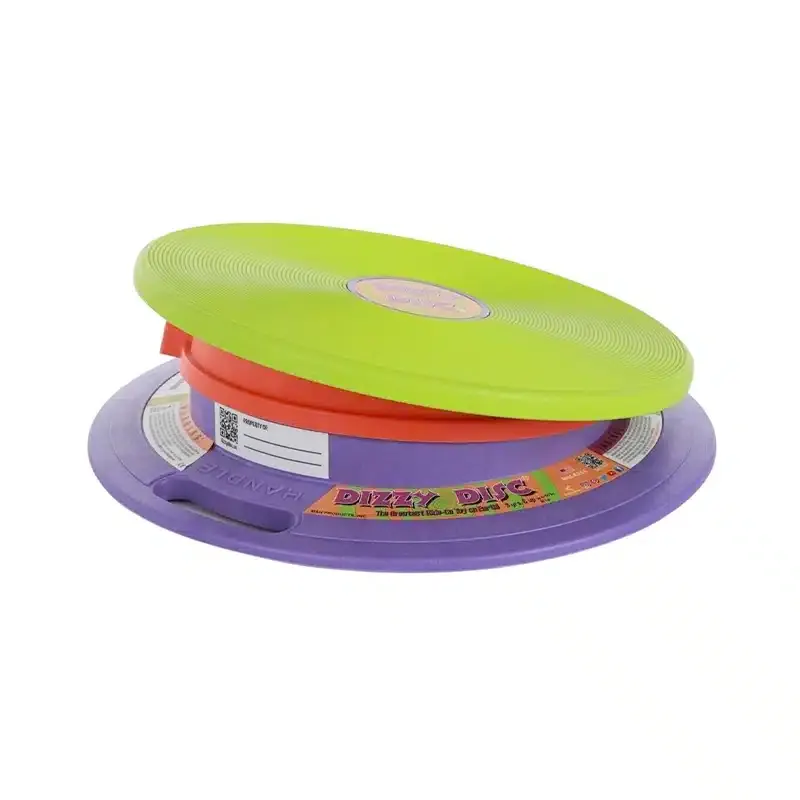
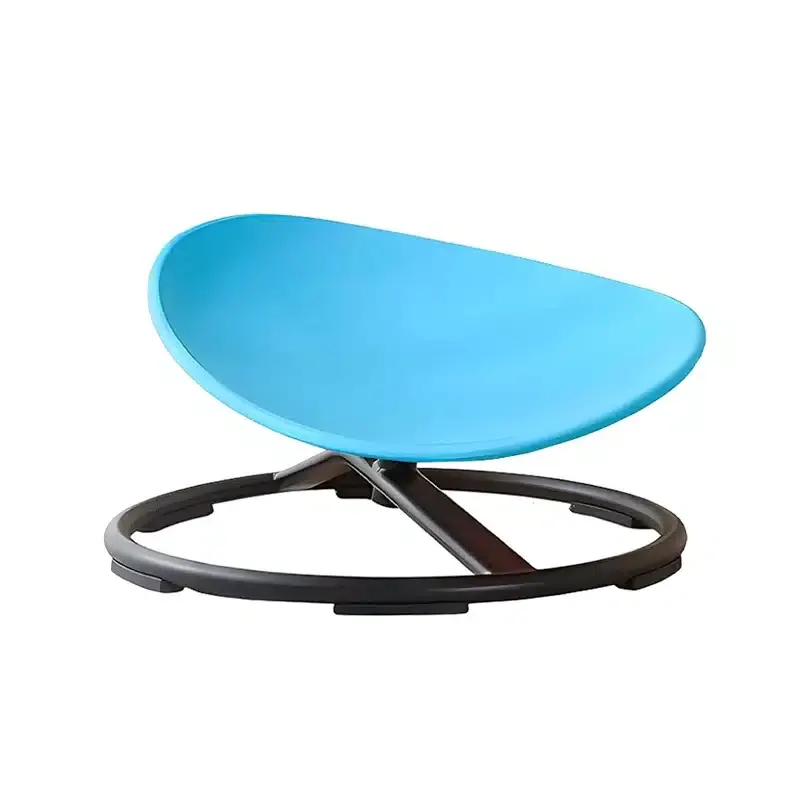
Multi-Sensory Integration Sets
Contact us for a free consultation to customize the perfect solution for your needs.
Planning a preschool or daycare classroom?
Tell us the number of classrooms and your requirements – we will reply with a layout and a quotation.
Frequently asked questions
Who are sensory toys for?
Infants and preschoolers in classrooms, therapy rooms and home learning spaces.
How are the toys organised?
By function: tactile, visual, auditory, proprioceptive and movement, and olfactory or oral.
Can I get a starter set?
Yes. Tell us ages and room type and we will recommend one.
Photos from this range
Tell us your quantities and room sizes. Free classroom design is included, and we reply within 24 hours.
Request a quote for this range
Or send a quick inquiry here
Sorry, we could not send your message. Please try again (please include your email so we can reply), or email [email protected] or message us on WhatsApp.
Prefer chat? WhatsApp +86 137 0426 8000 or email [email protected]
Before you buy
Planning guides that help you choose, size and order this range.
- Montessori materials guide What to buy for each area of the room, in what order, and how many materials your shelves can hold.
- Montessori classroom setup A stage-by-stage plan for turning an empty room into a prepared Montessori environment.
- Safety and certification What ASTM F963, CPSIA and EN 71 cover, and what to ask for when buying for a centre, a chain or a tender.