Montessori and Reggio Emilia: Which is the Right Fit for Your Child?
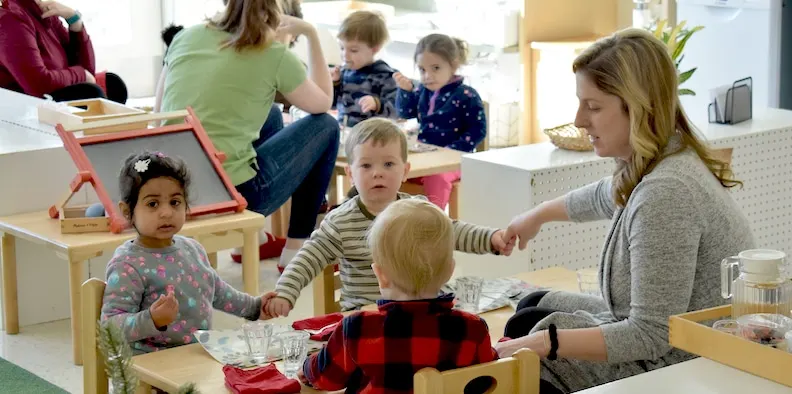
As a parent, choosing an educational approach for your child can be a daunting task. Two popular approaches that you may have come across are Montessori and Reggio Emilia. While both of these approaches prioritize the child’s development, they have their own unique features. In this blog post, we will compare and contrast Montessori and Reggio Emilia approaches to help you determine which one is the right fit for your child.
- Philosophy and Approach Montessori approach emphasizes self-directed learning and hands-on activities, where children learn at their own pace, with guidance from the teacher. The Reggio Emilia approach focuses on child-centered learning, with an emphasis on collaboration and creativity.
- Classroom Environment Montessori classrooms are designed to be calm and ordered, with materials arranged neatly on shelves, and children encouraged to work independently. Reggio Emilia classrooms are more fluid, with open spaces and opportunities for children to collaborate and create together.
- Teacher’s Role In Montessori, the teacher acts as a guide and observer, allowing the child to learn through their own experiences. In Reggio Emilia, the teacher is viewed as a collaborator and co-learner, working alongside the child to encourage exploration and discovery.
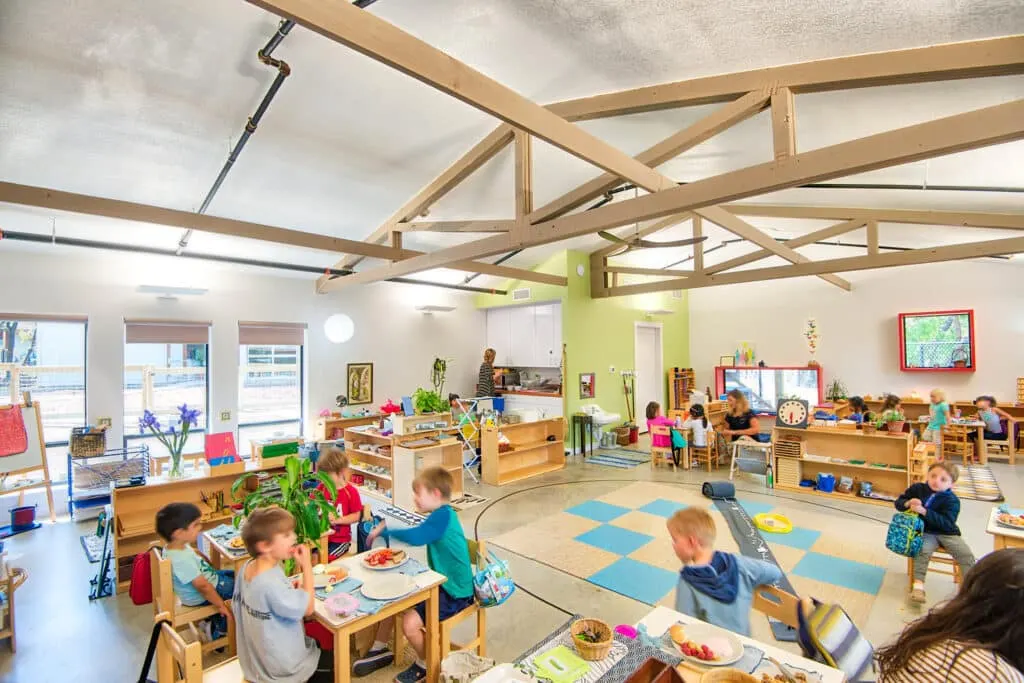
- Curriculum Montessori follows a structured curriculum with specific learning goals and objectives. Reggio Emilia, on the other hand, has a more flexible approach, with the curriculum shaped by the interests and needs of the children.
- Assessment Montessori uses self-assessment and observation by the teacher to evaluate a child’s progress. Reggio Emilia utilizes a more holistic approach, assessing a child’s development across various domains.
- Parent Involvement Both Montessori and Reggio Emilia place great importance on parent involvement. In Montessori, parents are encouraged to observe their child’s progress and participate in school events. Reggio Emilia involves parents in the learning process, with parent-teacher collaboration playing a vital role in the child’s development.
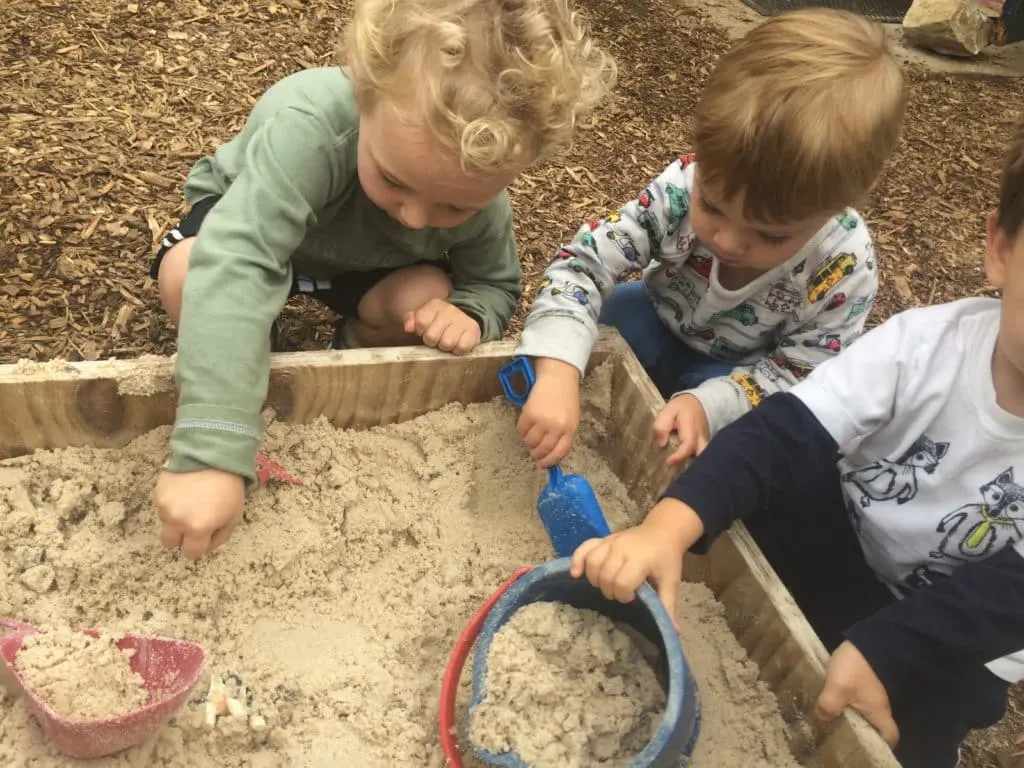
In conclusion, both Montessori and Reggio Emilia approaches have their own unique strengths and can provide an excellent foundation for your child’s education. It is important to consider your child’s personality, learning style, and individual needs when choosing an educational approach. Ultimately, the right fit for your child will depend on their personality, interests, and needs, and by understanding the differences between these approaches, you can make an informed decision for your child’s education.
Share this article:The Author >>Kid Montessori editorial teamCategoriesRecent Posts
Wooden Preschool Furniture Care Guide For Busy Classrooms
How to Childproof a Daycare Classroom: A Practical Safety Checklist
Daycare Cribs Buying Guide: How to Choose Safe, Practical Sleep Furniture
Object Permanence: What Babies Learn and How Montessori Activities Support It
Effective Preschool Classroom Rules: How to Create a Safe and Orderly Learning Environment
How to Start a Daycare: A Practical Planning Guide
Kid Montessori editorial teamIf you need a purchase or consultation, please contact us for a free product catalog and classroom layout design.
CONTACT ME NOW